
Best for enterprises wanting managed mailboxes with Alice: 11x
11x sells AI sales agents, not seats. Alice, its outbound agent, researches prospects, writes personalised email and social outreach, handles replies and books meetings. Julian, its inbound agent, answers calls and chats in under a minute, qualifies the lead and routes it to the right rep. Behind both sits a database of 400 million contacts, managed Gmail mailboxes with warm-up and rotation, and two-way sync with Salesforce, HubSpot and Pipedrive. Outbound starts at $36,000 a year on the Growth plan, billed annually, and Inbound is a separate subscription from $5,333 a month for voice or $2,417 a month for chat.
This 11x review works through the whole platform as it stood on 16 November 2026. It covers what Alice does well, what Julian adds, where a human still has to step in, and how 11x compares with Artisan, Reply.io and Salesforge. By the end you should know whether hiring a digital worker beats hiring a person, or whether a cheaper AI SDR would serve you better.
Visit 11x → Jump to the comparison tableWhy a digital worker appeals to revenue teams
Outbound is a chain of small jobs. Someone has to build the list, find the addresses, research each prospect, write the messages, send the follow-ups, and chase the replies. Most teams spread those jobs across three or four tools, and something slips at every handoff. An address gets typed wrong, a message bounces, a reply waits unread in an inbox nobody opens. 11x was built to hold the whole chain in one place, with an AI agent doing the repetitive steps. This 11x review tests whether that promise holds up in practice, and where the edges still show.
Picture Alice as a rep who never clocks off. She works through a territory, researches each prospect, writes a message in your voice, sends it from a managed mailbox, answers the reply, and puts the meeting on a calendar. Your human reps, meanwhile, can spend their hours on calls and closing, the work only a person does well. A team with more pipeline targets than headcount will find that split of labour the main attraction. Instead of hiring another SDR, you hire software that does the SDR’s busiest work. Whether that trade is worth it depends on three things. It comes down to three things: how far you trust AI-written copy, how much volume you need, and whether your ideal customer answers email. Those three questions run through every section below.
How this 11x review was put together
Every price and feature below comes from 11x’s own website, checked on 16 November 2026, and the tables carry that date. One point of naming needs clearing up first. 11x now calls its products Outbound and Inbound, and says Alice and Julian are legacy names that still appear in some documentation, pricing pages and customer stories. This 11x review uses Alice and Julian throughout, because those are the names buyers still search for, and it notes the new names where they matter.
A word on how this review was put together. There is also a useful piece of history. 11x rebuilt Alice from the ground up as Alice 2.0, launched in January 2025, after a difficult year covered in detail later in this 11x review. Since then the company has published pricing for both agents, renamed them Outbound and Inbound, and put a new chief executive in place. Understanding that history helps explain both the strengths and the limits you will meet later in this 11x review. We have not tested 11x hands-on, so there is no numeric score here, only a Best-for verdict and an honest list of trade-offs.
Quick Answer
11x is an AI sales-agent platform built around Alice, an outbound agent that finds leads in a 400M-contact database, writes personalised email and social outreach, handles replies and books meetings, with Julian, an inbound voice and chat agent, sold separately. Its core features are buying-signal triggers, deep prospect research, multichannel sequences, managed Gmail mailboxes with warm-up and rotation, and two-way CRM sync with Salesforce, HubSpot and Pipedrive. Outbound Growth starts at $36,000 a year, billed annually, for up to 5 users and 2,000 new prospects a month.
11x is best for enterprise revenue teams with a large addressable market that want outbound and inbound handled by one vendor on annual contracts. It is not the cheapest choice for a small team, and it is not a tool for buyers who want a free trial or a monthly bill, because neither exists.
Contents
- What Alice and Julian actually do
- Who 11x fits best — and who should skip it
- Pricing: one number, and a change worth noting
- Finding buyers in the 400M-contact database
- How autonomous Alice really is
- Julian answers inbound while Alice hunts
- Deliverability, warm-up and managed mailboxes
- Expansion, CRM sync and the wider platform
- Security, guardrails and compliance
- The 2025 controversy buyers should know about
- 11x against Artisan, Reply.io and Salesforge
- Strengths and weaknesses, side by side
- Getting started: a sensible first 90 days
- Frequently asked questions
- The verdict in this 11x review
What Alice and Julian actually do
11x describes itself as the Digital Worker Company. The homepage pitch makes the promise plainly: AI sales agents for inbound, outbound and expansion, working across voice, chat, email, social and SMS. Behind that promise sits a three-part platform. Alice, now called 11x Outbound, finds buyers, researches them, writes personalised outreach and books meetings. Julian, now called 11x Inbound, answers inbound leads in under a minute, qualifies them and routes them to the right rep. A third motion, Expansion, uses voice agents to call existing customers, uncover upgrade needs and route the conversation to a human rep. In short, you set the strategy once, and the agents own the execution after that.
That structure matters, because it shows where 11x spends its effort, and this 11x review keeps coming back to it. A normal sequencer starts where you start: with a list you bring and a message you write. 11x starts one step earlier, with the list itself, and it ends one step later, with the reply handled and the meeting booked. In between, the agent drafts the message from the prospect’s company, role and recent activity. For example, for a team that currently researches every prospect by hand, that drafting step is the biggest time saving in the product, and this 11x review counts it as the main reason to try Alice. If you already pay for a data provider and a sequencer, Alice can feel like a second bill for the same list, so the value turns on what is already in your stack.
Six features this 11x review found defining
First comes data and lead generation. You define an ideal customer profile, and Alice sources matching leads from the built-in database, or you import contacts from your CRM. Next comes signal-based list building. Funding rounds, hiring spikes, job changes, technology shifts and site visits build and refresh campaign lists automatically. Then comes engagement. Alice runs email and social sequences, tests message variants, and shifts volume toward what converts. After that comes reply handling. Alice reads replies, answers questions, handles objections, and books meetings. Finally comes the voice layer. Julian answers inbound calls and chats, qualifies the lead, and hands it to a rep with full context. Overall, each part is simple on its own. Together they amount to more than the parts alone, because no handoff is left to go wrong.
The six features at a glance, in this 11x review
- Alice, the outbound agent: an autonomous agent that finds leads, researches them, writes outreach, runs sequences, handles replies and books meetings.
- 400M-contact database: a built-in B2B database for list building, plus CRM imports and real-time enrichment.
- Buying signals: funding rounds, hiring spikes, job changes, technology shifts, site visits and G2 buying signals that trigger outreach.
- Managed deliverability: 11x-managed Gmail mailboxes with domain setup, warm-up, inbox rotation, monitoring and bounce suppression.
- Julian, the inbound agent: a voice and chat agent that answers inbound leads in under a minute, qualifies them and books or transfers.
- CRM sync: two-way sync with Salesforce, HubSpot and Pipedrive, plus Slack, Gmail, Outlook, Google Calendar and LinkedIn.
Finally, one more framing point helps before the details. 11x is not a sequencer with an AI writing add-on. Its own pages describe Alice as picking the play and handling prospecting, research, personalisation and multichannel execution. That plain speaking helps, because plenty of tools in this market promise full autonomy and deliver far less. 11x promises a faster version of the work you already do, with a human able to take over at the meeting, and that is a promise it can plausibly keep.
Who 11x fits best — and who should skip it
First, this 11x review finds the product fits enterprise revenue teams first. Think of a team with a large addressable market, a RevOps lead to run the tool day to day, and a pipeline target that outgrows its headcount. That team needs a list, verified emails, a reason to write now, solid first drafts, and follow-ups that happen without chasing. Moreover, 11x gives them all five in one contract, from $36,000 a year on the Outbound side. In addition, the managed mailboxes mean the team never configures sending infrastructure itself. Because the price covers a whole workflow rather than one job, a large team knows its bill exactly: one contract, one prospect allowance, one dashboard. That simplicity is the product’s main selling point. This 11x review rates it highly for teams of that size.
Meanwhile, in this 11x review, inbound-heavy teams come next. A team whose demo requests sit unanswered for hours benefits from Julian most, because the agent answers in under a minute, day or night. The speed matters. Most buyers talk to the first vendor that responds, so a lead answered in seconds converts far better than one answered the next morning. There is no need to staff a night shift or a weekend rota. Meanwhile, the outbound side keeps filling the top of the funnel, and the analytics show sends, replies and meetings without a separate reporting tool. For that working pattern, 11x feels designed around the job, not around a feature list.
Who this 11x review says should look elsewhere
Now the other side. However, small teams and solo sellers should look elsewhere. Outbound Growth costs $36,000 a year, which is $3,000 a month before any Inbound subscription. A single seller sending a few hundred emails a month will not use 2,000 new prospects every month. Tools built for one person, such as Lemlist at $69 a month or Instantly at $47 a month, cover that shape for a fraction of the price, and this 11x review would not argue otherwise.
Similarly, buyers who want to try before they buy should pause too. 11x publishes no free plan, no free trial and no paid pilot on either pricing page. Both pages lead to a demo instead. If your buying process needs a hands-on test with your own data before an annual commitment, that is a real obstacle, and this 11x review counts it as one of the product’s biggest weaknesses. A team that cannot test should at least insist on a short initial term with a break clause and a written success measure, rather than signing a full year blind.
Why middle-ground buyers should test first, in this 11x review
There is also a middle group who should test before buying. A team that already owns a good data provider, for instance, may find 11x’s database redundant. A dedicated finder already does that job, so the built-in contacts feel like paying twice for the same list. Likewise, a team whose ideal customers sit in a narrow niche may find Alice’s targeting drifts, because the agent works best with a broad, well-defined profile and plenty of lookalike accounts. If either description fits you, ask for a pilot against your own list and your own message, and compare the reply rate with your current stack before signing an annual contract.
Pricing in this 11x review: one number, and a change worth noting
11x sells pricing in two products, and they do not share a bill. That split is unusual, so it is worth stating plainly. Outbound, the agent formerly called Alice, has its own pricing page. Inbound, the agent formerly called Julian, has a separate page with separate prices for voice and chat. Many buyers only ever see the first page, so they budget for Alice and discover Julian later. In fact, a team that wants both motions is buying two subscriptions, and this 11x review works through both as they stood on 16 November 2026.
First, in this 11x review, the Outbound page lists Growth, Pro and Enterprise. Growth starts at $36,000 a year, billed annually, for up to 5 end users and 2,000 new prospects a month. Pro is custom-priced, for up to 10 end users and 5,000 new prospects a month, with multi-language outreach in 105 or more languages and tailored onboarding. Enterprise is custom-priced on annual or multi-year terms, for unlimited users and 10,000 or more prospects a month, with custom integrations and API access, single sign-on, a custom data processing agreement and service level agreement, and a dedicated customer success manager plus a forward deployed engineer. Every plan includes managed Gmail mailboxes with domain setup, warm-up, inbox rotation and monitoring, plus two-way CRM sync and onboarding with support.
A pricing change buyers should know about, in this 11x review
One honest flag belongs here. In September and October 2026, independent trackers recorded the Growth card on the same page as starting at $3,750 a month, billed annually, which implies $45,000 a year. On 16 November 2026, the live page reads starting at $36,000 a year, billed annually, which is $3,000 a month. The page’s own FAQ has always said 11x Outbound starts at $36,000 a year, so the page now agrees with its FAQ. This 11x review uses the $36,000 figure, because it is the figure on the live page today, and it notes the earlier figure so you can see the change. The lesson for buyers is simple. Confirm the entry price in writing before you pay, and ask which figure applies to the term you are quoting for, since the page has changed before.
Inbound pricing, in this 11x review
Second, the Inbound page prices voice and chat separately. Growth voice starts at $5,333 a month, billed annually, for 2,000 calls a month, and Growth chat starts at $2,417 a month, billed annually, for 3,000 chats a month. Growth includes SMS and WhatsApp, a knowledge base, CRM integration and API access, with 3 concurrent calls and 2 languages.
Pro is custom-priced, for 4,000 calls or 7,000 chats a month, with 10 concurrent calls, 10 languages, voice and accent cloning, and phone number monitoring. Enterprise is custom-priced, for 50,000 or more calls or 100,000 or more chats a month, with advanced routing, deep enrichment, custom integrations and a custom MCP integration. A team buying Outbound Growth plus Inbound Growth voice would therefore pay $36,000 a year plus about $64,000 a year, before any Pro upgrade. That combined figure is the number to put in the business case, not the Outbound price alone.
The plans side by side in this 11x review
| Plan | Price | Volume | Best for | Visit Site → |
|---|---|---|---|---|
| 1 Outbound Growth (Alice) Best for first digital worker Managed mailboxes and CRM sync included. | From $36,000/yr billed annually | 2,000 new prospects a month, up to 5 users | Teams putting a digital worker on outbound for the first time | Visit Site →No free trial; buy through a demo |
| 2 Outbound Pro Best for scaling across markets 105+ languages and tailored onboarding. | Custom billed annually | 5,000 new prospects a month, up to 10 users | Teams scaling outbound across languages and personas | Visit Site →Most popular plan on the page |
| 3 Outbound Enterprise Best for outbound at scale SSO, custom DPA and SLA, dedicated CSM. | Custom annual or multi-year | 10,000+ prospects a month, unlimited users | Enterprises orchestrating outbound at scale | Visit Site →Dedicated CSM + forward deployed engineer |
| 4 Inbound Growth Voice (Julian) Best for inbound calls Answers in under a minute, 24/7. | From $5,333/mo billed annually | 2,000 calls a month, 3 concurrent calls | Teams losing inbound leads to slow replies | Visit Site →SMS and WhatsApp included |
| 5 Inbound Growth Chat (Julian) Best for website chat Qualifies visitors without a form. | From $2,417/mo billed annually | 3,000 chats a month, 2 languages | Teams qualifying website visitors in real time | Visit Site →Knowledge base included |
Last checked: 16 November 2026 on the 11x Outbound pricing page and the 11x Inbound pricing page. The short address 11x.ai/pricing returns a 404; the live pages are the two product paths linked here. In September and October 2026 the Outbound Growth card read $3,750 a month; on 16 November 2026 it reads $36,000 a year. Features and pricing can change, so please check the provider’s site before you buy. We do not guess at features, prices or trials.
Reading the pricing table
What should a buyer do with that? Start with the prospect cap, not the price. Growth covers 2,000 new prospects a month, and 11x charges per lead, not per send, so three touchpoints cost the same as thirty. Count how many new prospects you actually work each month, how many reply, and how many meetings land. Then divide the annual price by the meetings booked. That cost per meeting is the number that decides whether the contract works for your market. In other words, a plan that looks dear per prospect can still be cheap per meeting, and a plan that looks cheap per prospect can still be dear per meeting, so measure the outcome, not the allowance.
Contract terms deserve the same care. Annual billing is the default on both products, and Pro and Enterprise support two- and three-year commitments with discount tiers. Price increases at renewal are capped, and multi-year commitments lock your current rate for the term, although the cap itself is not published. Inbound contracts do not auto-renew without 30 days’ written notice. Onboarding is included in every tier with no implementation fee, configuration charge or per-integration cost, and standard onboarding takes 2 weeks. Ask for the renewal cap in numbers, and get it into the order form before you sign.
Finding buyers in the 400M-contact database
11x puts its database at the centre of the product. The Outbound page states a database of 400 million contacts, and Alice builds lists from it by your ideal customer profile, or works from lists you bring from your CRM. What matters more than the headline number is how Alice uses it. She searches by your ideal customer profile, enriches each record with firmographic and technographic data, and scores leads by intent signals before she writes a word. Live web research adds another layer. Agents combine real-time research, from news articles to 10-K filings, with buyer signals, CRM context and your company knowledge to craft messages around what matters to each prospect.
In real terms, the database takes one whole subscription out of your stack. A team that buys Apollo, ZoomInfo or a dedicated finder separately can stop paying for that tool, because Alice sources and enriches from her own data. For a team starting outbound from nothing, that is a real saving. If you already trust a data provider of your own, it is a duplicate. The honest question is whether 11x’s data is good enough for your market. Broad B2B markets in the United States and Europe have deep coverage. Coverage thins in narrow niches, small countries and unusual job titles, and independent reviewers have found sparse results for very specific roles. So run your own target accounts through it before you commit.
Enrichment, research and the personalisation waterfall
Alice does not just pull a name and an email. She researches each prospect across live sources, looking for something worth mentioning: a funding round, a new hire, a job post, a technology change, or a recent post. The Outbound page calls this research that is relevant and converts, and it is the step that separates Alice’s output from a mail merge. A message that opens with a real event sounds like a person wrote it. One that opens with only a job title sounds like software wrote it. Reply rates show the gap, which is why the research step matters more than the writing step.
There is a limit worth knowing. Research takes time, and deep research on every lead costs more than a shallow pass. Teams that chase volume will feel the prospect cap move faster than teams that chase a short list of dream accounts. That trade-off is the heart of the per-lead model. You are not paying for seats or for emails sent. You are paying for research and outreach work done per lead. Keep that in mind when you compare 11x with a flat-rate sequencer, because the two tools charge for different things.
How autonomous Alice really is
Autonomy is the word 11x uses most, so it deserves a careful look. Alice runs outbound on autopilot by design. She picks the play, then handles prospecting, research, personalisation and multichannel execution. That framing is helpful, and this 11x review recommends it with one caution. You should still watch the output closely for the first weeks, because trust in an AI agent is earned in small steps, not granted on day one. Most teams should review every message type before volume rises, and only then let the agent run wider. A buyer who skips that step will get generic volume instead of meetings.
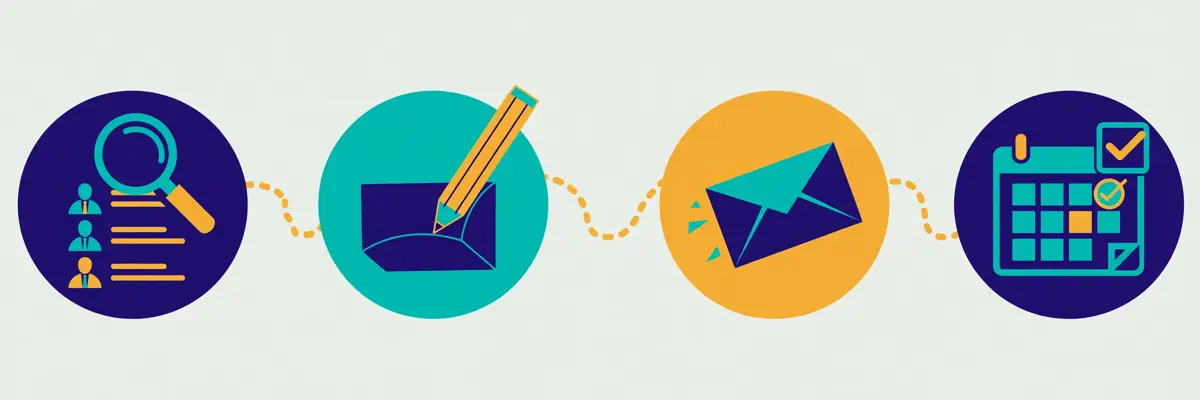
The workflow itself has five steps. List building comes first, where live signals surface the accounts worth working this week. Research follows, then personalised messaging across email, social and rep-led calls. Reply handling comes next, with Alice answering questions, handling objections, and escalating sensitive conversations to your team. Finally comes meeting booking, with the meeting landing on the right rep’s calendar under your routing rules. That last step closes the loop. An earlier generation of AI SDRs wrote and sent outbound. Alice answers the reply, handles the objection, and drops the meeting on a calendar. That is the change that makes Alice an SDR rather than a writer. A writer produces text. An SDR produces meetings.
A live demo worth watching, in this 11x review
A full walkthrough of Alice’s dashboard is the fastest way to see how the product works in practice. The video below, from the Salesforge channel, runs through the home tab, campaigns, ideal customer profile setup, offer setup, sequence steps, message copy, automations, worker output, performance, replies and the centralised inbox, and it finishes with pricing and plans. It earns a watch because it shows the interface instead of a slide deck. Watch how Alice presents her work for review, and how a rep follows the campaign from list to booked meeting. That review step is where a team stays in control, and it pays to see it before you buy.
Video: “11x.ai Demo | Full step-by-step Alice AI SDR tutorial [2024]” by Salesforge. This video is the creator’s property, embedded via YouTube for education. OutreachCompare is not affiliated with Salesforge or 11x and does not claim ownership of the video.
Two ideas from that walkthrough deserve repeating in this 11x review. The first is the centralised inbox. Replies from every channel land in one place, so nothing sits unread in an inbox nobody checks. The second is the worker output view. You can see what Alice did, lead by lead, rather than trusting a summary number. A buyer who checks that view in the first month will learn faster than one who only reads the dashboard. For example, a message type that underperforms usually shows a targeting problem before it shows a copy problem, and the output view is where that becomes visible.
Where a human still has to step in
Autonomy has edges, and this 11x review lists them plainly for buyers. Calling is one. Alice does not place calls herself. The Outbound page says so plainly: 11x does the prep, and your rep makes the call. A prioritised calling workflow gives the rep the research, the signals and the talking points before dialling. If your motion needs an AI voice to make the calls, that is Julian’s job, on a separate subscription. Brand voice is another. Alice needs time to learn how your team sounds, and early drafts can read generic at volume, according to independent reviewers. None of these limits makes the product bad. Each one simply sets the job Alice can actually do, and the job your team still has to do.
Julian answers inbound while Alice hunts
Speed is Julian’s whole job. The homepage promises that every inbound lead is answered in under a minute, and the Inbound page says Julian qualifies inbound leads in real time across phone, website chat, SMS and WhatsApp. A form fill that waits hours for a reply goes cold. A form fill that gets a call back in under a minute, with a voice agent that qualifies against your criteria and books the meeting, stays warm. For example, for a team whose demo requests arrive outside business hours, that is the closest thing to a night shift that outbound ever gets. The agent works 24/7, across multiple languages, and hands the conversation to a live rep when it turns warm.
Julian does more than answer the phone. He qualifies every conversation, capturing fit, needs, timeline and buying context for the handoff. Follow-ups run across SMS, WhatsApp and email where a call will not land. Meetings land with the right rep, following your custom routing rules. On the Pro plan he adds voice and accent cloning, simulated testing and evaluations, and phone number monitoring. On Enterprise he adds SIP calling, advanced routing and deep enrichment. In short, Julian is a qualification layer, not a voicemail replacement, and this 11x review counts that distinction as the reason to take him seriously.

What the case studies claim for Julian, in this 11x review
11x attaches numbers to named customer stories, and this 11x review reports them as vendor claims, not as independent results. One customer, Unitech, says Julian matched rep conversion rates within three months, with two-minute response times, without losing the human touch. Another, Workera, says Alice turned outbound into inbound for the team, and Julian helped focus on qualified demos with full context, converting over 50 percent of demos to subscriptions. A third story cites a 9.7 percent reply rate for outbound emails across thousands of sends, nearly double the industry average. Those are vendor-selected stories with no published baseline, sample size or time window. Treat them as a sign of what is possible, not as a promise of what you will get.
Why Julian costs extra, in this 11x review
Julian is a second subscription, and this 11x review says so plainly rather than hiding it. Growth voice starts at $5,333 a month, and Growth chat starts at $2,417 a month, both billed annually. A team that buys both motions therefore pays for two agents, and the combined bill is the number to put in the business case. The honest question is whether the inbound volume justifies it. A team with a steady flow of demo requests, pricing-page visits and form fills will feel the difference in days. A team with a handful of inbound leads a month will not. Count your inbound leads first, then decide.
Deliverability, warm-up and managed mailboxes
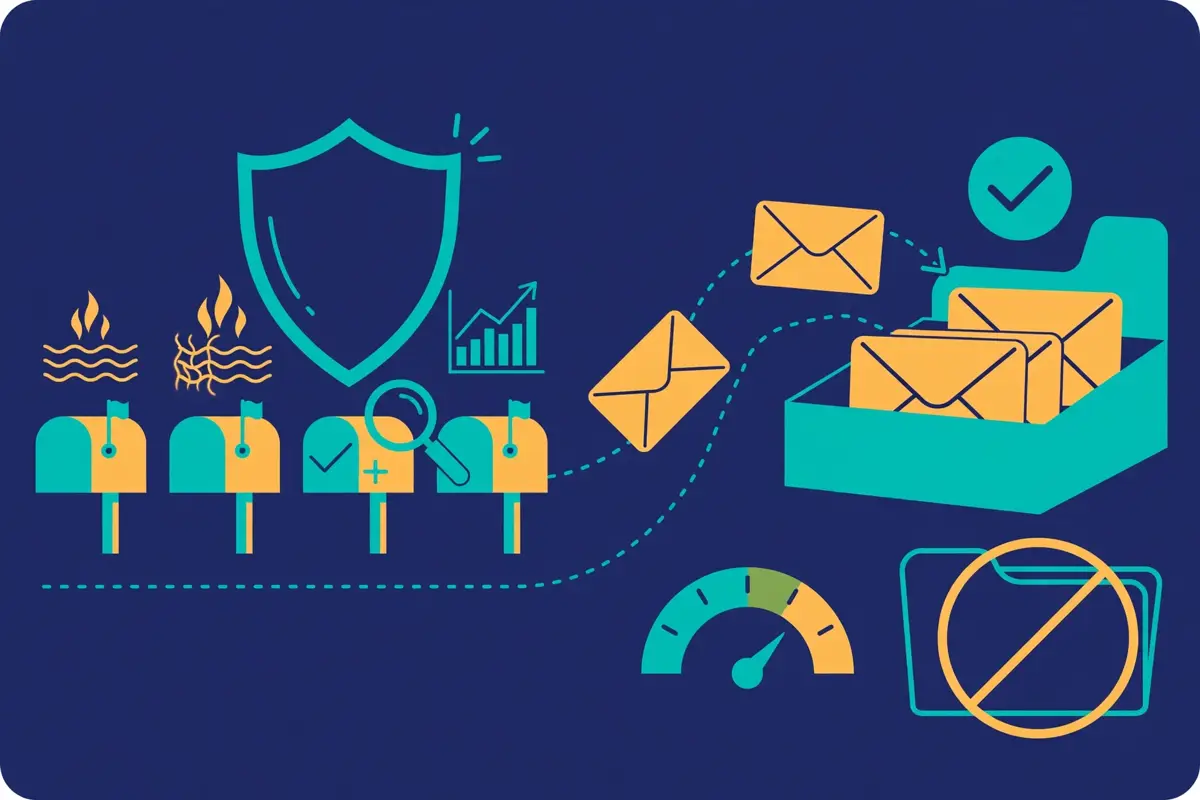
Deliverability is where AI SDRs win or lose, because an email that lands in spam books no meetings. This 11x review therefore checks what 11x actually promises here. The promise is managed infrastructure. Every plan includes 11x-managed Gmail mailboxes, with domain setup, warm-up, inbox rotation and monitoring included in the price. Bounce suppression, domain health monitoring and deliverability analytics sit on top. Messages go out from mailboxes 11x configures and monitors, which keeps the sending reputation managed in-house rather than left to your team. In short, 11x manages the plumbing so Alice’s output has a fair chance of being seen.
There is a practical point here that new buyers often miss. Warm-up cannot be rushed, and results take a few weeks while mailboxes build reputation ahead of higher volume. Consequently, a team that buys 11x on Monday and expects meetings on Friday will be disappointed, and that disappointment is not the product’s fault. Standard onboarding takes 2 weeks, and the ramp continues after that. Plan for it. Begin with a small list, let the domains warm, watch placement, and raise volume only when the numbers look healthy. The same advice applies to every cold email tool, yet it matters more here because Alice can send at a volume a human never would.
What this 11x review could not verify about deliverability
One honest gap belongs in this 11x review. 11x does not publish an inbox-placement percentage, a bounce-rate guarantee, or an independent deliverability audit. The pricing page promises managed deliverability, and the Outbound page says deliverability is managed in-house across channels, yet the numbers behind the promise are not public. That is normal for this category. Hardly any vendor publishes placement figures, since placement depends on your domains, your list and your copy as much as on the tool. In the end, judge deliverability on your own pilot, not on a vendor claim. Mail your own list, see where the messages land, and decide on what you observe.
Expansion, CRM sync and the wider platform
Expansion is the third motion, and the easiest to overlook. 11x’s voice agents call existing customers, uncover needs, close simple upgrades, and route the conversation to a human rep to close a deal. CRM and usage data turn into timely expansion conversations, with agents placing calls and following up across all channels. For example, for a team with a large customer base, that is the closest thing to a free pipeline source that outbound ever gets. Growing the accounts you already have is often cheaper than finding new ones, and 11x treats it as a product, not an afterthought.
CRM sync is two-way with Salesforce, HubSpot and Pipedrive, and all three are named on the homepage. Activity, replies and booked meetings flow back into the CRM, so a rep can see the full history in one place. Other integrations named on the site include Slack, Gmail, Microsoft Outlook, Google Calendar, LinkedIn and G2. The platform also offers API access and webhooks, with custom integrations and a custom MCP integration on Enterprise. A team on a CRM other than the three named should confirm the sync before buying, because a native two-way sync is a different thing from a webhook, and the difference matters when a rep lives in the CRM all day.
Plays, languages and experimentation, in this 11x review
The Outbound page lists the plays Alice runs. Cold outbound reaches the accounts your team never gets to. Signal-based outbound acts when the buyer is in market. Event registration and follow-up keeps the momentum going after an event. Nurture keeps promising leads warm. Website visitor de-anonymisation identifies accounts reading your pricing page, then researches and sequences them before that intent goes cold. Inactive lead reactivation revisits old form fills and stalled conversations. Closed-lost reengagement revives old pipeline when things change. Competitive takeout and product-led growth conversion round out the list. Multi-language outreach in 105 or more languages sits on Pro, with product knowledge in each target language, and analytics in one dashboard across languages and markets.
Security, guardrails and compliance
Enterprise buyers ask about security before they ask about features, and 11x answers that question prominently. This 11x review therefore gives security its own section. The platform is SOC 2 Type II certified, with CASA Tier 3 certification, GDPR compliance with data processing agreements for all EU-based customers, and CCPA compliance. Data sits in AWS, with TLS in transit and AES-256 at rest. Single sign-on, a custom data processing agreement and a custom service level agreement sit on Enterprise. A trust centre carries the full documentation, and 11x says its SOC 2 report is available on request. For a team facing a procurement review, that paperwork matters as much as any feature.
Guardrails deserve a closer look in this 11x review, because they are what stop an autonomous agent from embarrassing your brand. Alice escalates sensitive conversations to your team, and stops active sequences after an unsubscribe while flagging the preference in your CRM. Those two controls are named on the Outbound page, and they are the minimum a buyer should expect. You set the ideal customer profile, the messaging guidelines, and the meeting rules, and the agent works inside them. In short, an autonomous tool without guardrails is a risk, not a shortcut. Ask 11x to show you the guardrails in the demo, and to confirm what happens when a prospect asks something the agent cannot answer.
The 2025 controversy buyers should know about
Two pieces of history belong in an honest 11x review, and both shaped the product you can buy today. In March 2025, TechCrunch reported that 11x had presented companies as customers that said they were not, naming ZoomInfo and Airtable. A ZoomInfo spokesperson said the company did not give permission to use its logo in any manner and was not a customer, and Airtable said a pilot was never used in production and never rolled out to its sales team. 11x told TechCrunch it had promptly removed any undesired or inaccurate customer mentions and attributed the rest to human error.
Churn claims that followed the logo report
The same report described heavy early churn, with one former employee saying the company was losing 70 to 80 percent of customers that came through the door, and said 11x counted annual revenue on contracts that customers exited through break clauses. 11x said its highest churn was in early 2023 cohorts, that its retention rate was then 79 percent, and that it reports contracted annual recurring revenue to its board, which it said investors knew.
The second piece is leadership. The founder chief executive stepped aside in May 2025, about two months after the TechCrunch report, and the company has since put a new chief executive in place. An October 2026 company post about the voice agent is bylined by Prabhav Jain, chief executive. Alice was also rebuilt from the ground up as Alice 2.0, launched in January 2025, with a new multi-agent architecture. The product underneath the noise is more modest than the early pitch suggested, and more useful. Alice does not replace your sales team. She takes over the busiest, most repetitive slice of one rep’s job, while your reps still close the deals. A buyer who reads that history before signing is better prepared than one who discovers it after three months of poor replies.
What independent testing found, in this 11x review
One independent test deserves a mention. In April 2026, a reviewer ran Alice for two weeks against 200 real leads from his own pipeline. Alice sent 847 emails, generated 11 replies, a 1.3 percent reply rate, and booked one meeting. His own manual outreach to a similar list reached a 2.9 percent reply rate and booked two meetings from 312 emails. He was quoted about $5,000 a month on an annual contract with a three-month opt-out clause. His verdict was that the product had improved since the TechCrunch controversy, and Alice 2.0 was a genuine rebuild, but the personalisation still needed to get better before it replaced even a junior SDR. That is one test, from one list, in one market. Treat it as a caution, not as a verdict, and run your own pilot before you decide.
11x against Artisan, Reply.io and Salesforge
The headline difference is the pricing model. 11x charges per lead, with Outbound Growth at $36,000 a year, billed annually, and Julian priced separately. Artisan bills by credits sized to leads contacted, with self-serve entry at $250 a month on annual billing. Reply.io charges per user per month for its sequencer, and its AI SDR Jason sits on a separate tier from $500 a month. Salesforge charges per user for its sequencer, and Agent Frank is a separate subscription from $499 a month. At one user and a small list, 11x costs $3,000 a month, while Artisan costs $250 a month, Reply.io AI SDR costs $500 a month, and Agent Frank costs $499 a month. Yet 11x includes managed sending infrastructure, a 400M-contact database, and an AI voice agent option, while Reply.io and Salesforge include a full sequencer you can drive yourself.
Read the table as a buying guide, not a scoreboard, and match the tool to your volume first.
The comparison table in this 11x review, in brief
| Tool | Entry price | What you get | Best for | Visit Site → |
|---|---|---|---|---|
| 1 11x (Alice + Julian) Best for managed infrastructure Managed mailboxes, 400M contacts, voice agent option. | From $36,000/yr billed annually, Outbound Growth | 400M database, signals, managed mailboxes, Julian voice add-on, CRM sync | Enterprises delegating infrastructure and outreach | Visit Site →Julian voice from $5,333 a month, separate |
| 2 Artisan (Ava) Best for one-vendor outbound Data, AI writing, sending, replies and booking in one contract. | $250/mo annual billing, Intern ($280 monthly) | 250M+ database, 20+ campaigns, signals, dialler add-on, CRM sync | Teams wanting Ava to run outbound end to end | Visit Site →Free plan $0, 300 credits a month |
| 3 Reply.io (Jason AI) Best for AI inside a sequencer Multichannel sequences with an AI SDR tier on top. | From $500/mo annual billing, AI SDR ($800 monthly) | Jason AI, email and LinkedIn sequences, calls and SMS add-ons, 14-day trial | Teams wanting human control with AI help | Visit Site →Email Volume from $59 a month |
| 4 Salesforge (Agent Frank) Best for AI SDR on a budget Agent Frank with a 500M+ contact search engine. | From $499/mo billed quarterly, Agent Frank | AI SDR with 20+ languages, Primebox inbox, warm-up, sequencer from $48 a month | Teams wanting an AI SDR beside a cheap sequencer | Visit Site →14-day trial on the sequencer |
Last checked: 16 November 2026 on the 11x Outbound pricing page, and 16 November 2026 on the Artisan pricing page. Reply.io and Salesforge prices are from the Artisan review, checked 15 November 2026. Features and pricing can change, so check the provider’s site before you buy. We do not guess at features, prices or trials.
Feature matrix in this 11x review: what each AI SDR actually includes
| Feature | 11x Alice | Artisan Ava | Reply.io Jason | Salesforge Frank |
|---|---|---|---|---|
| Built-in B2B database | ✓ | ✓ | — | ✓ |
| Autonomous reply handling | ✓ | ✓ | ✓ | ✓ |
| Meeting booking on rep calendars | ✓ | ✓ | ✓ | ✓ |
| Buying-signal triggers | ✓ | ✓ | — | — |
| Website visitor identification | ✓ | ✓ | — | — |
| AI makes phone calls | ✓ | × | — | — |
| Human dialler included | ✓ | ✓ | ✓ | — |
| Managed warm-up and deliverability | ✓ | ✓ | ✓ | ✓ |
| Approval gates and guardrails | ✓ | ✓ | ✓ | ✓ |
| Salesforce and HubSpot sync | ✓ | ✓ | ✓ | ✓ |
| Free plan or self-serve trial | × | ✓ | ✓ | ✓ |
| Published entry price | ✓ | ✓ | ✓ | ✓ |
Last checked: 16 November 2026 on each provider’s official site. ✓ means the feature is stated on the provider’s site. — means it is not confirmed or not listed. × means it is confirmed absent. 11x makes calls through Julian, its separate inbound voice agent, not through Alice, and its dialler is rep-led: 11x does the prep and your rep makes the call. Features and pricing can change, so please check the provider’s site before you buy. We do not guess at features, prices or trials.
What the matrix means for your budget, in this 11x review
What should a buyer take from the matrix in this 11x review? 11x is the only one of the four with an AI voice agent, and the only one with managed sending infrastructure as the core of the offer, yet it costs twelve times Artisan’s entry price and has no free trial. Artisan is the only one with a self-serve entry price at $250 a month and a free plan. Reply.io alone works as a normal sequencer first, with AI layered on top, which suits teams that want to stay in the driving seat. Salesforge is the closest in price to Reply.io’s AI SDR, and the closest in spirit to a budget AI SDR, yet its signal layer is thinner. Match the tool to the job, not to the headline.
Strengths and weaknesses, side by side
Every tool in this market trades something away, and 11x is no exception. This 11x review weighs both sides before the verdict. The strengths are real. One vendor covers outbound, inbound and expansion, which removes three or four subscriptions from a sales stack. Managed mailboxes mean your team never configures sending infrastructure. Behind that sits a large database, and a signal layer that gives Alice a reason to write today rather than a cold list to work through. Julian answers inbound leads in under a minute, day or night. Procurement teams will like the security story, and the per-lead model means extra touches cost nothing. Those are genuine advantages, and this 11x review counts them as the reason the product is worth a look.
The weaknesses in this 11x review are real too. Outbound starts at $36,000 a year, and Julian costs extra, so a full deployment runs well past $50,000 a year before any Pro upgrade. There is no free trial, no free plan and no monthly billing, so a buyer signs an annual contract without a hands-on test. The public review base is thin, with only a few dozen G2 reviews behind a rating of about 4.5 out of 5, so independent validation is scarce. Early output can read generic at volume, and training Alice takes weeks of human attention. Finally, the 2025 TechCrunch report on customer logos and revenue claims, and the leadership change that followed, mean a buyer should ask for referenceable customers in their own segment and speak to them. Check G2 directly before you decide.
The short version: four strengths, four weaknesses
- First strength: one vendor for outbound, inbound and expansion, with managed mailboxes and no separate data subscription.
- Second strength: Julian answers inbound leads in under a minute, 24/7, and qualifies them before a rep is involved.
- Third strength: buying signals and website visitor identification give Alice a timely reason to write.
- Fourth strength: per-lead pricing means extra touches cost nothing, and enterprise security includes SOC 2 Type II.
- First weakness: Outbound starts at $36,000 a year, Julian is a separate subscription, and there is no free trial.
- Second weakness: the public review base is thin, with only a few dozen G2 reviews to check against.
- Third weakness: Alice does not place calls herself; the dialler is rep-led and Julian costs extra.
- Fourth weakness: the 2025 controversy over customer logos and revenue claims still shadows the brand.
Getting started: a sensible first 90 days in this 11x review
The first two weeks, in this 11x review’s getting-started plan, are for setup and trust. Define your ideal customer profile carefully, because Alice is only as good as the profile you give her. Connect your CRM, bring your own CRM licence, and let 11x set up and warm the managed mailboxes. Run a small live campaign, review every message type, and correct the ones that miss your voice. That correction is training, not wasted time. Every edit teaches Alice what your team sounds like, and the edits get fewer each week.
Weeks three to six are for a measured pilot, and this 11x review keeps the numbers small on purpose. For example, pick one segment, one campaign type, and about 200 to 400 new prospects. Track the reply rate, the positive reply rate and the meetings booked, not the send volume. Read every reply yourself, including the ones Alice handled, and check whether her answers sound like your team. When a message type underperforms, fix the targeting before you touch the copy. Bad targeting with good copy still books nothing.
Weeks seven to twelve are for the decision, and this 11x review makes the test explicit. Open the gates a little wider on the campaign that works, and keep a close watch on the campaign that does not. Divide the annual price by the meetings booked to get your cost per meeting, and compare it with the cost of a human SDR’s time. Finally, if Alice books meetings cheaper than a person would, keep her. If she does not, narrow the list, tighten the profile, and run one more test before you renew. A quarter of honest measurement beats a year of hopeful spending.
Frequently asked questions
What is 11x?
11x is an AI sales-agent platform built around Alice, an outbound agent, and Julian, an inbound voice and chat agent, and this 11x review answers the most common questions about it. Alice finds leads in a 400M-contact database, writes personalised outreach, runs email and social sequences, handles replies, and books meetings on your team’s calendar. Julian answers inbound calls and chats in under a minute, qualifies the lead, and routes it to the right rep. The company now calls the products Outbound and Inbound, and says Alice and Julian are legacy names.
How much does 11x cost?
Outbound Growth starts at $36,000 a year, billed annually, and this 11x review lists the figures plainly. That covers up to 5 end users and 2,000 new prospects a month. Outbound Pro and Enterprise are custom-priced, with 5,000 and 10,000 or more prospects a month. Inbound is separate: Growth voice starts at $5,333 a month, and Growth chat starts at $2,417 a month, both billed annually. Prices were checked on 16 November 2026 on 11x’s own pricing pages.
Does Alice make phone calls?
No. Alice does not place calls herself, and 11x says so plainly. She prepares the call, with research, signals and talking points, and your rep makes the call through a prioritised workflow. If your motion needs an AI voice to make the calls, Julian is the voice agent, and he is sold as a separate subscription from $5,333 a month for voice.
Is there a free trial?
No. Neither pricing page states a free plan, a free trial or a paid pilot, and both pages lead to a demo instead. If you want a trial, ask for a short initial term with a break clause and a written success measure, rather than assuming one exists. Onboarding is included in every tier with no implementation fee, and standard onboarding takes 2 weeks.
Does 11x work with Salesforce and HubSpot?
Yes. Both sync two ways with 11x, and both are named on the homepage alongside Pipedrive. Activity, replies and booked meetings all sync back, so the CRM stays the source of truth. Slack, Gmail, Microsoft Outlook, Google Calendar, LinkedIn and G2 are also named as integrations. Enterprise adds custom integrations and API access.
Who should not use 11x?
Small teams and solo sellers should not use it, because cheaper sequencers cover that volume for a fraction of the price. This 11x review says so plainly rather than hiding it. Buyers who need a hands-on trial before an annual commitment should not use it either, because no trial exists. Teams with a very narrow niche, or with a CRM other than Salesforce, HubSpot or Pipedrive, should test carefully before committing to an annual contract.
The verdict in this 11x review
Verdict: best for enterprises wanting managed mailboxes with Alice
11x is the most complete AI sales-agent platform a large team can buy without hiring more headcount. Alice finds the leads, writes the messages, handles the replies, and books the meetings, and she does it from one contract that includes the data, the signals, the sending, and the guardrails. Julian answers inbound leads in under a minute, day or night, which is a capability no sequencer offers. That combination is the product’s core strength, and it is why this 11x review recommends it to enterprise revenue teams with a large addressable market.
Go in with open eyes. Outbound starts at $36,000 a year, Julian costs extra, there is no free trial, and the public review base is thin. Train Alice for two or three weeks, watch the output closely in the first month, and judge her on cost per meeting, not on emails sent. Do that, and 11x can carry the busiest part of outbound while your reps close. Skip the training and generic volume is what you will get, not meetings. We have not tested 11x hands-on, so there is no numeric score here — only this verdict, and the evidence above to check it against.
Visit 11x →Keep reading
More AI SDR reviews
- Artisan Review 2026 — Ava, the AI BDR, from $250 a month with a free plan.
- Reply.io Review 2026 — Jason AI with multichannel sequences, Email Volume from $59 a month.
- Salesforge Review 2026 — Agent Frank, the budget AI SDR, from $499 a month.
- Amplemarket Review 2026 — Duo AI, data and sequences in one contract from $600 a month.
- Overloop Review 2026 — data, email and LinkedIn in one seat from $69 a month, from the AI prospecting rival.
- Lemlist Review 2026 — the five-channel suite with a 650M+ database, compared at $69 a month.
Guides and roundups
- Best Cold Email Software 2026 — the full roundup with 11x beside every leading tool.
- Best B2B Data Providers 2026 — how 11x’s 400M-contact database ranks among the data providers.
- Instantly Review 2026 — the volume-built sender for the day 11x’s prospect cap runs short.
- Smartlead Review 2026 — agency deliverability infrastructure from $39 a month.
- Woodpecker Review 2026 — a deliverability-first sequencer from $39 a month.
- Saleshandy Review 2026 — a database-backed sequencer with 852M+ contacts.
- Snov.io Review 2026 — finding, verifying and drip campaigns together.
- Hunter Review 2026 — the domain-search specialist, verification from $49 a month.
- Klenty Review 2026 — sales engagement with a parallel dialler, from $50 a month.
- Mailshake Review 2026 — email outreach plus a power dialler, from $29 a month.
- ReachInbox Review 2026 — a newer sequencer with AI personalisation from $30 a month.
- Do You Mail Review 2026 — dedicated inbox servers in the USA and EU from $39 a month.
- Pipl.ai Review 2026 — the sequencer now sold as PlusVibe from $37 a month.
- Emelia Review 2026 — ultra-personalised email prospecting with AI from $37 a month.
- QuickMail Review 2026 — a deliverability-focused sequencer from $49 a month.
- Email Deliverability Tools 2026 — placement and reputation tools to pair with any sequencer.
- Best Warmup Tools 2026 — warming an inbox properly before scaling up.
- Cold Email for Beginners: The Complete 2026 Guide — a beginner’s path through lists, writing and follow-ups.
- Best cold email tools — all the best-of roundups gathered on one page.
Leave a Reply