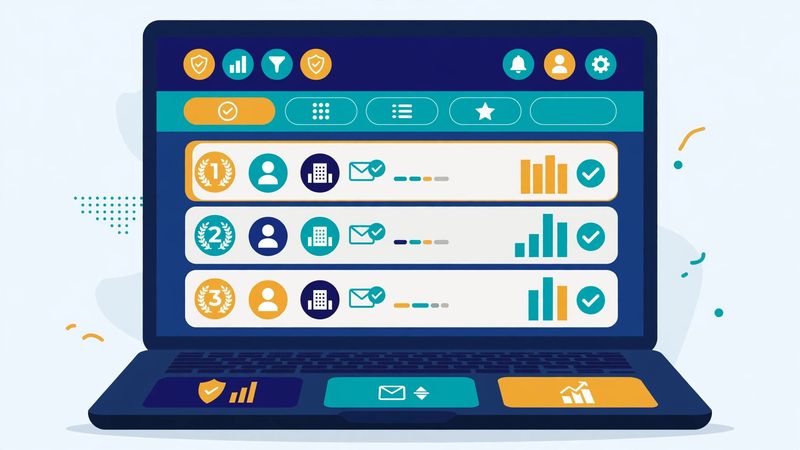
Last updated: 15 November 2026. A ranked shortlist of the best B2B data providers, with the reasons behind each pick.
Cold email only works when you email the right people, and the right people only exist in your list if the data behind it is good. A stale email address bounces. A wrong job title wastes a thoughtful message on someone who cannot say yes. Worse, a mobile number that belonged to someone else two jobs ago burns a call and a little of your confidence.
The good news is that this is a solvable problem, and the providers below exist to solve it. Some hold enormous databases of verified contacts you can search like a catalogue. Others verify a number by actually calling it. Some check an email against the live mail server before you ever send. A few stitch many sources together so that when one source comes up empty, the next one fills the gap. This guide ranks eight of the best B2B data providers for 2026, explains what each one actually does, and helps you pick the one that matches your situation.
We have not scored these providers yet. A score only earns its place after real hands-on testing, and that testing is still ahead of us. Each provider below carries a Best-for label instead. Each label sums up what the provider is designed for and what its own website says it does best. Skim the comparison table to cut the list to two or three, try the free option on each, and let a real test on your own target accounts settle it. Within a week, a good data provider should feel reassuring. You search for the people you want to reach, the results look like real people in real roles, and your first small list verifies cleanly before you send a single email.
Our pick in one line: Apollo for all-in-one prospecting, ZoomInfo for enterprise depth
If you want one tool that finds contacts and helps you reach them, start with Apollo — its free plan is genuinely usable. If you run a larger team that needs the deepest coverage, org charts and buying signals, start with ZoomInfo. Selling into Europe and losing sleep over compliance? Start with Cognism. Compare all eight in the table below — then test each one against fifty real accounts from your own market.
Compare the best providers Jump to the comparison tableQuick Answer
The best B2B data providers, in one paragraph: Apollo is the best B2B data provider for all-in-one prospecting on a budget. ZoomInfo is the best B2B data provider for enterprise coverage and buying signals. Cognism is the best B2B data provider for GDPR-first prospecting into Europe. Lusha is the best B2B data provider for quick lookups on LinkedIn. UpLead is the best B2B data provider for a verified accuracy guarantee. Seamless.AI is the best B2B data provider for real-time contact search. RocketReach is the best B2B data provider for finding hard-to-reach people with published pricing. And Clay is the best B2B data provider for waterfall enrichment across many sources. Most offer a free plan or a free trial.
The right choice depends on whether you need breadth, accuracy, European compliance — or all three. Start with the table, then put the free option on your shortlist through its paces.
Table of Contents
- How we ranked these providers
- Best B2B data providers at a glance — includes comparison table
- The 8 best B2B data providers for 2026
- How to choose the best B2B data provider for you — includes video
- Coverage, accuracy and freshness: what actually matters
- Your first month with your new data provider
- What the best B2B data providers cost
- Mistakes to avoid when you pick a B2B data provider
- Frequently asked questions
- Our verdict
- Your next step
How we ranked the best B2B data providers
A ranking only helps when you can see the thinking behind it, so here it is. First, we sorted the providers by the job they do. Some are vast databases you search. Some are verification-first tools that check every record before you spend a credit. One is not a database at all — it chains other providers together until a record is found. A few add buying signals, so you can see which accounts are already looking for what you sell. Then we looked at what each provider’s own website actually confirms, how it charges, and whether you can try it before you pay. The heaviest weight went to the things that decide whether your emails reach real people: verified emails, usable phone numbers, honest coverage in your region, and a way to test the data on your own market before you commit.
What we weighed most
Then we looked at the extras that save time day after day. A browser extension that reveals a contact while you browse LinkedIn, a clean export into your CRM, and honest credit limits all help. A provider that hides its pricing behind a sales call is not disqualified, but it does have to earn its place on coverage and accuracy alone.
We did not rank on database size alone. The biggest database is not one of the best B2B data providers for everyone, and a smaller, fresher database is not either. A solo founder building a first list of fifty accounts needs something different from an enterprise team mapping buying committees across a thousand accounts. Both need something different again from a team selling into Germany, where a wrong number can be a compliance problem as well as a wasted call. So every provider below carries a Best-for label instead of a number. Each label names who it suits. The table shows what is included. Then the free trial shows whether it feels right in your hands.
No scores yet — and why
Before the list, one honest note. We have not run hands-on tests on these providers yet, so this article has no scores. Scores will only come after we have searched real target accounts, exported real lists, and verified real emails and phone numbers through each provider. The source note under each table names the exact pages we checked, so if a feature matters to you, confirm it on the provider’s site before you buy. Features and plans change, and the provider’s page is always the final word.
Best B2B data providers at a glance
The whole shortlist fits on one screen. Look at the Best-for label first, then the strengths, then the starting point. In that order, eight providers become two or three in under a minute. The reviews further down go into detail on each pick, and the feature matrix after the table shows which providers hold their own database, verify phones, show buying signals, or enrich — and which do all four.
The shortlist, ranked
| # | Provider | Key strengths | Starting point | |
|---|---|---|---|---|
| 1 | Apollo ★ Best for: All-in-one prospecting Database, sequencing and dialer in one subscription. | ✓ 240M+ contacts, 30M+ accounts on its own site ✓ Waterfall enrichment and buying signals | Free plan; paid from $49/user/mo | Visit Site →Check the site for current pricing & trial |
| 2 | ZoomInfo ★ Best for: Enterprise coverage & intent The deepest database, with org charts and intent. | ✓ 500M+ contacts, 100M+ companies ✓ Intent signals and GTM Context Graph | Free Lite plan; full platform quote-based | Visit Site →Check the site for current pricing & trial |
| 3 | Cognism ★ Best for: GDPR-first European data Phone-verified mobiles with compliance built in. | ✓ Diamond Data phone-verified mobiles ✓ Do-Not-Call screening across Europe | Demo only; quote-based annual plans | Visit Site →Check the site for current pricing & trial |
| 4 | Lusha ★ Best for: Quick LinkedIn lookups One-click reveals while you browse LinkedIn. | ✓ 515M+ contacts, 29M+ companies ✓ Chrome extension and 26 buying signals | Free plan, 40 credits/mo | Visit Site →Check the site for current pricing & trial |
| 5 | UpLead ★ Best for: Verified accuracy guarantee Real-time verification with a 95% accuracy guarantee. | ✓ 160M+ contacts, verified at export ✓ Credit refund on bounced emails | 7-day free trial, 5 credits | Visit Site →Check the site for current pricing & trial |
| 6 | Seamless.AI ★ Best for: Real-time contact search Searches live each time instead of serving old records. | ✓ Real-time search engine, not a static list ✓ Chrome extension and buyer intent | Free 50 lifetime credits; paid quote-only | Visit Site →Check the site for current pricing & trial |
| 7 | RocketReach ★ Best for: Hard-to-reach people Huge profile coverage with published self-serve prices. | ✓ 700M+ profiles, 60M+ companies ✓ 90–98% deliverability on verified emails | Free lookups; paid from $49/mo | Visit Site →Check the site for current pricing & trial |
| 8 | Clay ★ Best for: Waterfall enrichment Chains 150+ providers until a record is found. | ✓ Waterfall across 150+ data providers ✓ Claygent AI research agent | Free plan, 100 credits/mo | Visit Site →Check the site for current pricing & trial |
Last checked: 15 November 2026. The trial and starting-point details above come from each provider’s official website — see the linked source note under the feature matrix below. Features and pricing can change, so please check the provider’s site before you buy.
The best B2B data providers compared at a glance
Same eight providers, one view. You can see at a glance which ones hold their own database, which verify phone numbers, which show buying signals, and which enrich your CRM — and which do all of it. A tick means the feature is stated on the provider’s own site; a dash means we could not confirm it there.
| Feature | Apollo | ZoomInfo | Cognism | Lusha | UpLead | Seamless.AI | RocketReach | Clay |
|---|---|---|---|---|---|---|---|---|
| Own contact database | ✓ | ✓ | ✓ | ✓ | ✓ | ✓ | ✓ | — |
| Verified emails | ✓ | ✓ | ✓ | ✓ | ✓ | ✓ | ✓ | ✓ |
| Phone / mobile numbers | ✓ | ✓ | ✓ | ✓ | ✓ | ✓ | ✓ | ✓ |
| Intent / buying signals | ✓ | ✓ | ✓ | ✓ | ✓ | ✓ | ✓ | ✓ |
| Enrichment & CRM sync | ✓ | ✓ | ✓ | ✓ | ✓ | ✓ | ✓ | ✓ |
| Free plan or free trial | ✓ | ✓ | — | ✓ | ✓ | ✓ | ✓ | ✓ |
| GDPR / compliance tools | ✓ | ✓ | ✓ | ✓ | ✓ | ✓ | ✓ | ✓ |
Last checked: 15 November 2026. The features and trial information in this table are based on what we found on each provider’s official website on that date — Apollo, ZoomInfo, Cognism, Lusha, UpLead, Seamless.AI, RocketReach, Clay. Features and pricing can change, so please check the provider’s site before you buy. ✓ = the feature is stated on the provider’s site (some features only on certain plans — see the notes below). — = not confirmed for this tool. We do not guess at features, prices or trials.
Reading the table: plan notes
Plan notes, so the ticks above are not overstated: Apollo’s own homepage now lists 240M+ contacts and 30M+ accounts, with waterfall enrichment and compliance tools for GDPR, CAN-SPAM and do-not-call rules; its free plan is the most usable free starting point on this list. ZoomInfo’s Lite plan is a permanent free plan with no card required, and its full platform is priced on consumption credits rather than fixed seat tiers. Cognism has no free plan or free trial listed — it is sold on quote-based annual plans, and its Diamond Data mobiles are the most phone-verified records here. Lusha’s free plan gives 40 credits a month, with an email reveal costing one credit and a phone reveal costing five.
Plan notes, continued: UpLead’s 95% accuracy guarantee covers emails, with credits refunded on bounces, and its 7-day trial includes 5 credits. Seamless.AI’s 50 free credits never refill, so treat the free plan as a trial, and its paid plans are quote-only with annual contracts. RocketReach’s free lookups are email-only, and phone numbers start on its Pro plan. Clay owns no database of its own — its tick for verified emails and phones comes from the 150+ providers in its marketplace — and phone enrichment starts on paid plans, not the free plan. Compliance tools help you source data lawfully; they do not cover how you use that data once you have it, so document your own lawful basis before you send.
The 8 best B2B data providers for 2026
Below is the full shortlist, one provider at a time, with what each one is good at, who it suits, and what to watch out for. Read the two or three that match your situation, skip the rest, and then use the free plans and free trials to settle it. If you have never sent a cold email, start with our Cold Email for Beginners guide. It walks through the whole system, from your offer to your first replies, and it will make this ranking far easier to use.
1. Apollo — Best for all-in-one prospecting
Apollo earns the top spot here for a simple reason: it removes a purchase. Most data providers hand you a list and leave the rest to you. Apollo hands you the list and the tools to reach it — email sequences, a dialer, and AI lead scoring — in the same subscription. Its own site now lists more than 240 million contacts and 30 million accounts. You can search across dozens of filters, including job title, seniority, company size, industry, technology stack, and buyer intent signals. Waterfall enrichment chains Apollo’s own data with third-party sources, so a record that comes up empty on the first try gets a second chance before you ever see it. For a small team that wants to find people and email them without buying, connecting, and learning three separate tools, that combination is hard to beat.
The trade-off is the credit system. Apollo meters what you use — email reveals, mobile reveals, exports, and enrichment all draw from the same pool — and heavy users can burn through an allowance faster than the headline price suggests. Accuracy also varies by region: North American records are the strongest, and coverage thins out as you move into smaller European and Asia-Pacific markets, so always test it on your own accounts first. The free plan is the fairest way to do that — it is genuinely usable for real prospecting, not a locked demo. If you want the full sending comparison, read our Best Cold Email Software 2026 ranking, where Apollo appears for the same reasons.
2. ZoomInfo — Best for enterprise coverage and intent
ZoomInfo is the enterprise default in this category, and the depth is the reason. Its site lists more than 500 million contacts and 100 million companies, verified continuously and processed at a rate of more than 1.5 billion data points a day. Around that database sits the GTM Context Graph. It reasons across contact data, your CRM records, conversations, and buying signals to explain why an account is moving — not just that it exists. Org charts map the buying committee, technographics show what software a company already runs, and intent data shows which accounts are actively researching solutions like yours. For a mid-market or enterprise team that needs to prioritise a thousand accounts and know exactly who to call first, no other provider on this list matches that breadth.
Two things are worth checking before you commit. ZoomInfo is quote-based and sold on annual contracts, so there is no published monthly price to compare — budget for a five-figure annual commitment and negotiate hard, because discounts are common. And European data is licensed separately through regional Data Passports rather than included in the standard subscription, so if you sell into Europe, confirm what your contract actually covers. The free Lite plan is a genuine starting point, though: a permanent free plan with no card required, plus a free trial of the full platform. Start there, run your real target accounts through it, and let the coverage speak for itself before you talk to sales.
3. Cognism — Best for GDPR-first European data
Cognism is the provider you pick when European compliance is not optional — it is the reason you are buying. Built in London for European selling, it treats GDPR as a feature rather than a checkbox. It uses legitimate interest as its lawful basis, sends Article 14 notifications to data subjects, and screens against do-not-call registries across European markets. ISO 27001, ISO 27701, and SOC 2 Type II certifications back all of that. Its standout is Diamond Data — mobile numbers that human researchers verify by calling them — with the company claiming connect rates far above the industry norm for unverified numbers. Decision-maker records are refreshed every 30 days, and intent data comes through Bombora, so you can see which companies are researching topics related to your product. For a team selling into the UK, Germany, France, or the Nordics, Cognism’s European depth consistently beats the US-first providers.
The honest caveat is price and geography. Cognism does not publish pricing, does not offer a free plan or a free trial, and is sold on quote-based annual contracts that typically run into five figures. So it only makes sense once European revenue justifies it. North American coverage is also thinner than ZoomInfo’s or Apollo’s, and Diamond Data covers senior decision-makers best, not every contact in the database. None of that matters if Europe is your market: book the demo, ask for a sample of your real target accounts, and check the connect rates yourself. If your market is mostly American, read the Apollo and ZoomInfo reviews above first. Our Is Cold Email Legal? guide explains the GDPR basics that make Cognism’s approach matter.
4. Lusha — Best for quick LinkedIn lookups
Lusha is the fastest provider on this list to use, and that speed is the whole point. Its Chrome extension sits on LinkedIn profiles, Sales Navigator, company websites, and your CRM, and reveals a verified email or direct phone number in one click — no list building, no export, no waiting. Behind it sits a database Lusha’s own site puts at more than 515 million verified contacts and 29 million companies. That includes 165 million verified emails and 26 dated buying-signal types to help you prioritise. It also works inside Claude and ChatGPT through an MCP server, and through an API, so the same data can feed an AI workflow as well as a rep’s browser. For an individual rep or a small team that prospecting happens one person at a time, while browsing, Lusha is the easiest starting point here.
Two limits are worth knowing. The credit maths is strict. An email reveal costs one credit, and a phone reveal costs five. That means the free plan’s 40 credits a month cover 40 emails or just 8 phone numbers — enough to test coverage in your market, not enough to run a campaign. And Lusha is a data tool, not an outreach platform: there is no sequencing or dialer worthy of the name, so you will still need a sender to reach the people you find. Start free, run your real target contacts through the extension, and count how many come back with a verified email before you pay for anything. Pair it with verification: our Best Email Verification Tools hub covers checking every address before you send.
5. UpLead — Best for verified accuracy guarantee
UpLead is built around one promise, and it is a promise worth reading carefully. Every email is verified in real time against the live mail server at the moment you export it. The company backs that with a 95% data accuracy guarantee. If an email bounces, you report it and the credit comes back. That matters because most databases verify a record when they collect it and then let it age; UpLead checks it again at the exact moment you take it. The database covers more than 160 million contacts across 200-plus countries. You can search it with more than 50 filters for firmographics, technographics, and geography, with intent data on higher plans. For a sender whose deliverability depends on clean data — and every sender’s does — that verification step is the most valuable feature on this list.
The trade-off is scale and price. At 160 million contacts, UpLead’s database is the smallest of the dedicated databases here, and international coverage is thinner than its US coverage. The free trial is also small — 7 days with 5 credits — so it proves accuracy on a handful of records, not across a whole market. And there is no built-in sequencing: UpLead finds and verifies, and your sender does the sending. If accuracy is your top worry, that is a fair deal: run the trial on fifty contacts you already know, count the bounces, and let the refund policy do the talking. Then read our How to Get Your First Email Addresses guide for the safest ways to build on a verified list.
6. Seamless.AI — Best for real-time contact search
Seamless.AI works differently from the databases above. Instead of serving you a stored record, it researches a contact live, at the moment you ask for it — scanning web signals in real time to assemble a current email and phone number. That is its central pitch: a search engine, not a static list. Its site claims access to more than a billion business emails and hundreds of millions of phone numbers. Around the core search sit a Chrome extension, buyer intent data, job-change alerts, and AI-drafted outreach. For a team hunting specific people at specific companies — founders, hiring managers, newly funded startups — that live-research model can surface contacts a stored database missed.
Two warnings belong in bold. First, the free plan gives 50 credits that never refill, so treat it as a trial: once they are gone, you pay or you stop. Second, paid plans are quote-only and sold as annual contracts. They renew automatically unless you cancel at least 60 days before the renewal date — a term that has drawn more complaints than any other provider on this list. Read the contract before you sign, get the renewal terms in writing, and run your full 50 free credits against real target accounts before you talk to sales. If you need published prices and month-to-month flexibility, Apollo or Lusha above are the safer picks.
7. RocketReach — Best for hard-to-reach people
RocketReach is the contact finder for people other databases miss. Its own site lists more than 700 million professional profiles and 60 million companies, with unusual depth in healthcare, legal, founders, and technology — and it claims 90 to 98% deliverability on verified emails. You look up a person or filter a list, spend a lookup credit only when verified contact data comes back, and then export the record to your CRM or a CSV. Around that sit a browser extension, technographics and intent data, an Autopilot list builder, and built-in email sending with automated follow-ups. For recruiters, founders, and sales teams hunting named individuals rather than bulk lists, that lookup-first model fits how they actually work.
The trade-off is that phone numbers stay masked until the Pro plan, so the cheaper Essentials plan is email-only — check which plan you need before you budget. The free plan is also a short sample rather than a monthly allowance, with a small number of email-only lookups in total and no card required. And RocketReach is a finder first, not a full go-to-market suite: it finds people brilliantly and leaves the heavy sequencing to your sender. Start with the free lookups on people you already know, so you can judge accuracy against names you recognise, then compare the paid plans on the pricing page. Our Best Email Deliverability Tools hub pairs well with any finder on this list.
8. Clay — Best for waterfall enrichment
Clay is the odd one out on this list, and deliberately so. It owns no contact database of its own. Instead, it connects to more than 150 external data providers — including Apollo, Lusha, Hunter, and Clearbit — and runs waterfall enrichment across them inside a spreadsheet-style table. Try one provider for an email; if it comes up empty, fall back to the next; only pay a data credit when a value actually comes back. On top of that sit Claygent, an AI research agent that can research details no database lists, buying signals such as job changes and hiring, and a native email sequencer. For a RevOps or growth team that wants the highest possible fill rate on a list, the waterfall beats any single source: one provider’s gap is another provider’s match.
The honest caveat is the learning curve and the credit maths. Clay charges for two things at once — actions for each enrichment step and data credits for each lookup — and a single lead run through a five-provider waterfall can burn several credits before it returns anything. The free plan gives 500 actions and 100 data credits a month with unlimited seats and tables. That is enough to learn the product and test a workflow. Tables are capped at 200 rows, though, and phone enrichment is not included. If you want a simple database you can search and export, Apollo or ZoomInfo above will feel easier. If you want to design your own enrichment pipeline and you are willing to learn the tool, Clay is the most powerful pick on this list. The video below shows how its tables actually work.
Watch: how Apollo search filters actually work
Prefer to watch? This short tutorial walks through Apollo’s Company Search and People Search — the two-stage filter flow that turns a huge database into a focused list of decision-makers — with a real B2B SaaS example.
Video credit: “Apollo.io Search Filters Explained: Find the Right Companies & Contacts” by Nimble GTM on YouTube. This video is the property of its creator and is embedded here via YouTube for educational purposes. OutreachCompare is not affiliated with Nimble GTM and does not claim ownership of this content.
How to choose the best B2B data provider for you
Three questions that narrow the list of the best B2B data providers
Eight good providers is still seven too many to test properly. A few honest minutes with three questions will narrow the list fast, and the answer usually picks itself. First, where do you sell? If your market is the United States, Apollo, ZoomInfo, and Lusha all cover it deeply. Selling into Europe? Cognism moves to the top of the list and the US-first providers drop down it. And if your market is everywhere, test each provider on fifty accounts from each region before you decide — coverage gaps hide in the regions you did not test.
Second, what do you need the data for? If you need emails for cold outreach, accuracy and verification matter most — UpLead, Apollo, and Clay’s waterfall. Need phone numbers for cold calling? Verified mobiles matter most — Cognism’s Diamond Data, then Lusha and RocketReach. And if you need to prioritise accounts, buying signals matter most — ZoomInfo, Apollo, and Clay. Third, how do you work? Prospecting one person at a time on LinkedIn? Lusha’s extension wins. Building lists in bulk? Apollo or ZoomInfo win. Designing enrichment workflows? Clay wins. The best B2B data providers all do one of these jobs well, so matching the job to the provider is the whole trick.
Run the trial like a real check
Then give the trial a genuine job to do. A trial is not a walk around the settings page; it is a small live test. Pick fifty accounts from your real target market — companies you already know, people whose correct email you already have — and run them through the provider. Count how many come back with the right email, how many with a working phone, and how many with nothing at all. The provider has earned its place when that loop feels easy.
Connecting takes minutes. The search returns people who look like real decision-makers, and nothing about the interface makes you sigh. If a tool frustrates you in week one, it will still be frustrating you in month six, so pay attention to that first impression. Keep everything else the same while you test: same fifty accounts, same filters, same checks. That way you are comparing providers, not markets. Our sending domain guide pairs well with any of these providers — good data still needs a warmed-up domain and verified addresses before it turns into meetings.
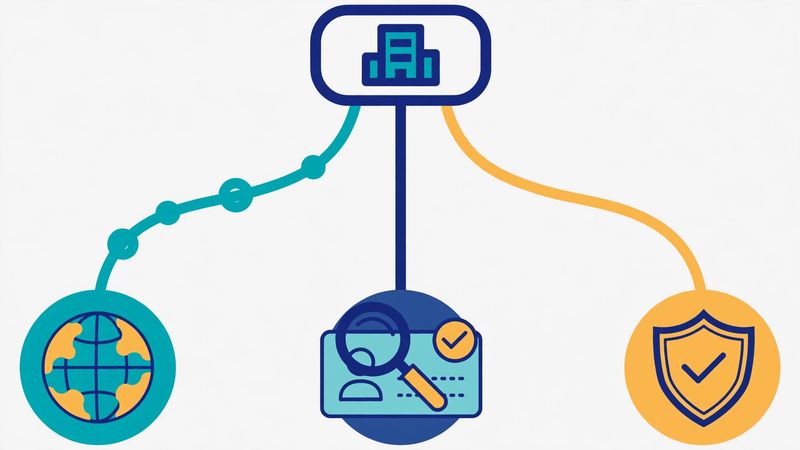
Watch the other side of the problem: this short tutorial shows how Clay’s tables turn basic company records into enriched prospect data — the waterfall idea from the ranking above, running live on screen.
Video credit: “Clay Tables Explained: Enrichment, Columns & Data Workflows” by Nimble GTM on YouTube. This video is the property of its creator and is embedded here via YouTube for educational purposes. OutreachCompare is not affiliated with Nimble GTM and does not claim ownership of this content.
Coverage, accuracy and freshness: what actually matters
Coverage is about your market, not the headline number
Every provider on this list advertises a huge number — hundreds of millions of contacts, tens of millions of companies. Those numbers are real, but they are also beside the point. What matters is coverage in your market: the industries, company sizes, and countries you actually sell into. A database with 500 million contacts can still be thin on German mid-market manufacturers, and a database with 160 million contacts can be deep on American software companies. The only honest way to compare coverage is to test it: run the same fifty accounts through two providers and count which one returns more correct records. Do that before you believe any headline number, including the ones in the table above.
Accuracy is what you pay for when you send
Accuracy is the number that decides whether your campaign works. A list that is 90% accurate sends nine good emails for every bounce; a list that is 70% accurate sends seven — and the three bounces hurt your domain’s reputation, which hurts the seven good ones too. That is why verification matters more than volume. UpLead verifies each email against the live mail server at export. Cognism has humans call mobile numbers to confirm them. Clay chains providers until one returns a match. Apollo’s waterfall does the same inside a single tool. Whichever provider you pick, verify every address again before you send — our Best Email Verification Tools hub covers that step, and it is the cheapest insurance in cold email.
Freshness is the quiet killer
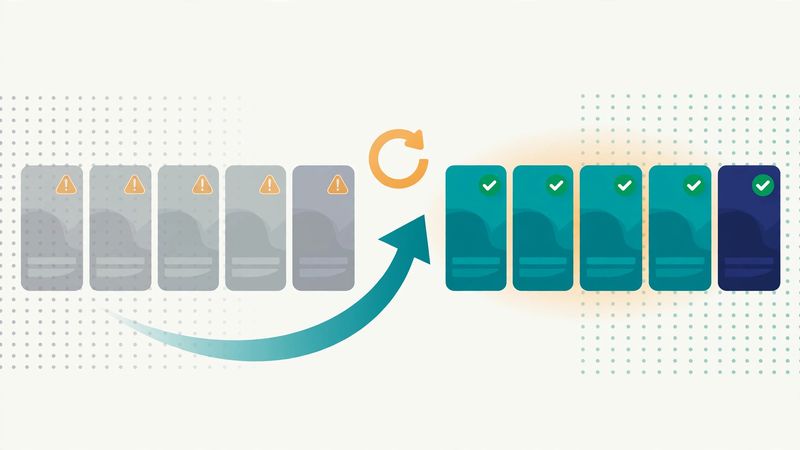
Freshness is the third number, and the one most buyers forget. People change jobs, companies get acquired, and email addresses go quiet — roughly a quarter of business email addresses go invalid every year. A record that was accurate six months ago can be a bounce today, and a database that refreshes every six weeks is already serving you stale data on thousands of contacts. That is why refresh cycles matter: Cognism refreshes decision-maker records every 30 days, Seamless.AI researches each contact live at the moment you ask, and UpLead verifies at export so the age of the stored record matters less. When you compare providers, ask how often records refresh, not just how many records exist. Fresh data beats big data, every time.
Your first month with your new data provider
A four-week plan: test small, then build
Once you have picked a provider, the first month is about testing small, not buying big. Start in week one by defining your ideal customer in writing: industry, company size, geography, and the job titles that can actually say yes. Then run fifty accounts from that definition through the provider and check the results by hand. Week two is for building your first real list — fifty to two hundred contacts, verified, with a personal first line for each one. Keep the list small on purpose: a tight, accurate list beats a big, stale one every time, and it keeps your deliverability safe.
In week three, send your first twenty-five emails and watch what happens. Read every reply, see what people actually ask for, and tweak one thing before the next batch. By week four, you will know whether the data was worth it: how many emails bounced, how many replies you got, and whether the phone numbers connected. If the bounce rate is high, the provider failed the test — not you. Switch, and test the next one the same way. For the full week-by-week plan, our beginner’s guide covers it step by step, and the How Cold Email Works page explains the system behind it.
What the best B2B data providers cost
Three pricing models to know
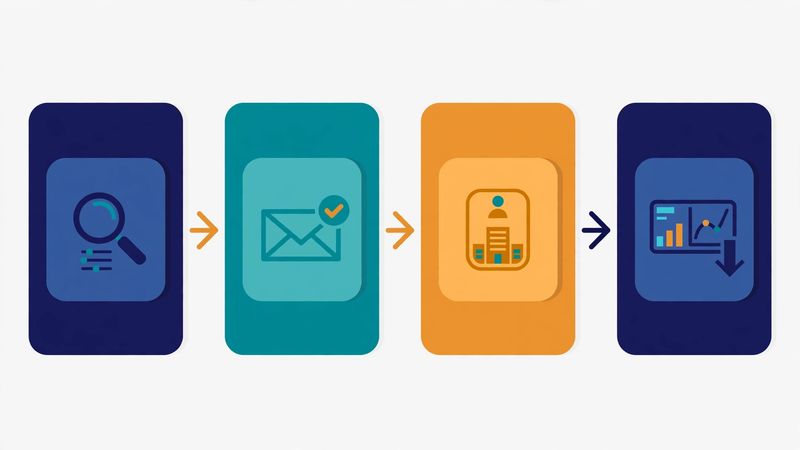
The best B2B data providers are priced in three different ways, and understanding the model matters more than comparing any single number. Credit-based tools charge for every record you reveal or export. That suits a solo sender building small lists, and punishes a team exporting thousands of records a month. Seat-based tools charge per user, which suits a team where everyone prospects, and punishes a team where only one person does. Quote-based tools charge an annual platform fee, which suits an enterprise that will use the whole platform, and punishes a small team that only needs the database. Work out which model fits your setup before you compare prices. A solo founder and a five-person sales team can look at the same two providers and walk away with opposite answers.
Watch for the extras
Watch for the extras, too. Phone numbers almost always cost more credits than emails — five credits against one on Lusha, for example — so a list built for cold calling costs far more than a list built for cold email. Intent data is frequently a higher-tier feature. UpLead puts it on its custom-priced Professional plan, and ZoomInfo prices it into the full platform rather than the free Lite plan.
Enrichment credits are a separate currency in Clay, where actions and data credits run out at different speeds. And annual contracts with long cancellation windows — Seamless.AI’s 60-day notice is the clearest example — can lock you in long after you have stopped using the tool. The pricing pages we link to under the tables spell all of this out; the headline price on its own rarely tells the whole story. Add up the plan, the phone credits, and any add-ons you need, then compare that total across your shortlist. Check the provider’s site for current pricing before you buy. Prices and plans change.
Mistakes to avoid when you pick a B2B data provider
- Buying on database size alone. The biggest database is not the most accurate one in your market. Test fifty real accounts before you believe any headline number.
- Skipping the free test. Seven of the eight providers on this list offer a free plan or a free trial. Run your own accounts through it before you pay, or you have not really tried the provider.
- Paying for phone credits you will never use. Phone reveals cost several times more than email reveals. If you only send email, do not buy a plan priced around phone data.
- Ignoring the renewal terms. Annual contracts with 60-day cancellation windows can renew before you notice. Read the renewal clause before you sign, and diary the date.
- Buying a huge list to fill a big plan. Start with fifty to two hundred contacts you have verified yourself. A tight, accurate list beats a big, stale one every time, and it keeps your deliverability safe.
- Sending without verifying again. No provider is perfectly fresh. Verify every address before you send, whatever the provider promised.
- Forgetting compliance. A provider’s GDPR tools cover how it sources data, not how you use it. Document your lawful basis, honour opt-outs, and check the rules for each country you contact.
Frequently asked questions about the best B2B data providers
What is the best B2B data provider for beginners?
For a complete beginner, Apollo is the gentlest start on this list. Its free plan is genuinely usable, it includes sequencing so you can find people and email them in one place, and its paid plans are published rather than hidden behind a sales call. If you prospect one person at a time on LinkedIn, Lusha’s free plan is even simpler. Our Best Cold Email Tools for Beginners 2026 guide covers the same rankings with beginners in mind.
Which B2B data provider is most accurate?
No provider is most accurate everywhere — accuracy depends on your market, and independent tests put the leading providers within a few points of each other on US email data. The honest answer is to test them yourself: run the same fifty accounts through two providers and count the correct emails and working phones. UpLead’s 95% accuracy guarantee with credit refunds is the strongest written promise on this list. Cognism’s phone-verified Diamond Data is the strongest for European mobiles, and Clay’s waterfall usually returns the highest fill rate because it tries several sources. Whichever you pick, verify every address before you send.
Is B2B data legal under GDPR?
B2B contact data can be used lawfully under GDPR, usually on the basis of legitimate interest — but the provider’s compliance does not transfer to you. You still need to document your own lawful basis, tell people where you got their data if they ask, and honour opt-outs promptly. Cognism is built around this more thoroughly than any other provider here, with do-not-call screening and Article 14 notifications, and ZoomInfo processes data under legitimate interest with ISO 27001 and ISO 27701 certifications. Read our Is Cold Email Legal? guide for the simple checklist, and get proper legal advice before you contact people in a country whose rules you do not know.
Do I need a data provider if I already have a CRM?
Yes, in most cases — a CRM stores the contacts you already have, while a data provider finds the contacts you do not have yet. The two work together: the provider finds and enriches new people, and the CRM keeps them organised and in sync. Most providers on this list integrate with Salesforce and HubSpot, so enriched records flow straight into the CRM without a manual export. If your CRM is already full of stale records, enrichment from Apollo, ZoomInfo, or Clay can refresh them rather than replacing them.
Can I try the best B2B data providers for free?
Yes. Apollo, ZoomInfo (Lite), Lusha, Seamless.AI, RocketReach, and Clay all have free plans, and UpLead has a 7-day free trial. Only Cognism has no free option — it is demo-only. Start with the free plan on your shortlist, run fifty real target accounts through it, and count the correct results before you pay for anything.
Why do my emails bounce even though I bought verified data?
Because data decays: people change jobs, and roughly a quarter of business email addresses go invalid every year. A record verified six months ago can bounce today, which is why freshness and re-verification matter as much as the original source. Run every list through a verification tool before you send, keep your lists small, and refresh them regularly rather than buying one big list and using it for a year. Our sending domain guide also helps, because bounces hurt your domain’s reputation as well as your reply rate.
Our verdict on the best B2B data providers
Your next step
That is the whole shortlist: eight providers, a comparison table, a feature matrix, and a Best-for label on each one, all checkable against the providers’ own sites. The next step is a small one. Pick the provider that matches the market you actually sell into — and run fifty real accounts through its free plan this week. Compare the correct results, not the homepage — the provider that finds your real buyers is the right one. Then work through the rest of the system: our Start Here hub, Cold Email for Beginners, and the hub page for this ranking, where it sits alongside the rest of our comparisons. You are in the right place, and your first list is closer than it feels.
Keep reading — next in this series
You have the ranking now. These guides go deeper on the pieces around it:
- Cold Email for Beginners: The Complete 2026 Guide — the whole system, from your offer to your first replies.
- Best Cold Email Software 2026 — the sending-tool ranking this data guide pairs with.
- Best Email Deliverability Tools 2026 — warmup, testing and monitoring once your list is built.
- Best Cold Email Tools for Beginners 2026 — the beginner-focused version of the rankings.
- How to Set Up a Sending Domain: SPF, DKIM, DMARC and Warmup
- How to Get Your First Email Addresses — the Safest Ways, in Order
- Is Cold Email Legal? The Simple Checklist
- Our comparison hub — the hub page for this ranking.
Leave a Reply