Reaching buyers on every channel they actually use, with messages that sound written for them
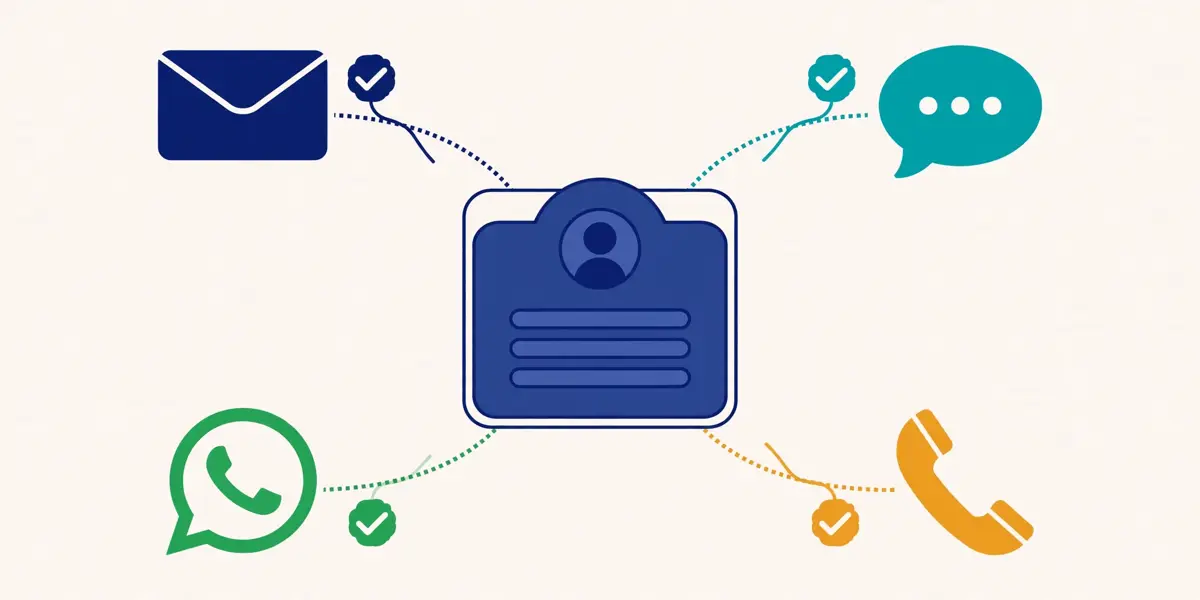
Multichannel ai personalisation is the combination of two ideas that work far better together than apart: reaching each prospect on several channels in one coordinated sequence, and writing every touch so it fits that one person. This multichannel ai personalisation guide explains both halves in plain language, compares the eleven tools that do them best, and shows how to start safely without risking a LinkedIn account or a sending domain.
Visit Lemlist →Explore Reply.io →See Waalaxy →Prices checked 16 November 2026 on the official sites of all eleven providers. Features and pricing can change, so please check the provider’s site before you buy.
Quick Answer
Multichannel ai personalisation means contacting each prospect across email, LinkedIn, calls and sometimes WhatsApp or SMS in one sequence, with every message personalised by AI from real data about that person. A prospect who ignores an email may accept a LinkedIn invite, and a prospect who ignores both may pick up the phone. For example, Lemlist is the best all-round multichannel platform, with email, LinkedIn, calls, SMS and WhatsApp in one sequence from $109 per user a month.
Reply.io is the best choice when an AI SDR should run the sequence, with Jason from $500 a month on annual billing. In contrast, Waalaxy is the best LinkedIn-first starting point, from €19 a user a month with a hard 40-actions-a-day safety limit. In sum, start with email plus LinkedIn, warm up first, and add AI personalisation one layer at a time.
Contents
- What multichannel outreach is — and why it lifts reply rates
- The email step: still the backbone of every sequence
- LinkedIn: visits, invites, chat and voice notes
- Calls: the step most teams skip, and the one buyers remember
- WhatsApp and SMS: powerful, and tightly gated
- Building a sequence that branches on behaviour
- AI personalisation layers: from icebreakers to intent signals
- AI SDRs: Ava, Alice, Jason and Agent Frank
- Eleven tools at a glance
- Pricing head-to-head: eleven tools, two honest tables
- Feature matrix: all eleven tools side by side
- Deliverability and safety: LinkedIn limits, warmup and account risk
- Pros and cons: the honest case for each approach
- A decision framework: team size, channels, budget and risk
- Frequently asked questions
- The verdict
Why this multichannel ai personalisation guide covers two ideas at once
Firstly, most guides treat multichannel outreach and AI personalisation as separate topics, and that split hides the point. In fact, the two ideas solve opposite halves of the same problem. Multichannel outreach solves the problem of being seen: a buyer who misses an email may notice a LinkedIn message, and a buyer who ignores both may answer a call. AI personalisation solves the problem of being relevant: a message that mentions a real detail about the buyer reads like a message from a person, while a generic message reads like spam. Reach without relevance gets ignored. Relevance without reach never arrives.
Secondly, this multichannel ai personalisation guide puts the two halves together in the order a reader should build them. It starts with what multichannel outreach is and why it lifts reply rates, then walks through each channel one by one, then shows how to build a sequence that branches on what the prospect does. Firstly, after that it explains the AI layers, from simple icebreakers to full AI SDRs, and only then does it price the eleven leading tools side by side. By the end, a reader will know which channels to use, which AI layer to add first, and which tool fits their team, their budget and their appetite for risk.
Finally, every price and feature in this multichannel ai personalisation guide was checked on the official sites on 16 November 2026. Where a vendor publishes no price, or where a figure comes from a reported contract or a help centre rather than a list price, the guide says so in plain language. Secondly, jump to the pricing section when the budget is the constraint, and start at the top when the goal is understanding the whole system.
What multichannel outreach is — and why it lifts reply rates
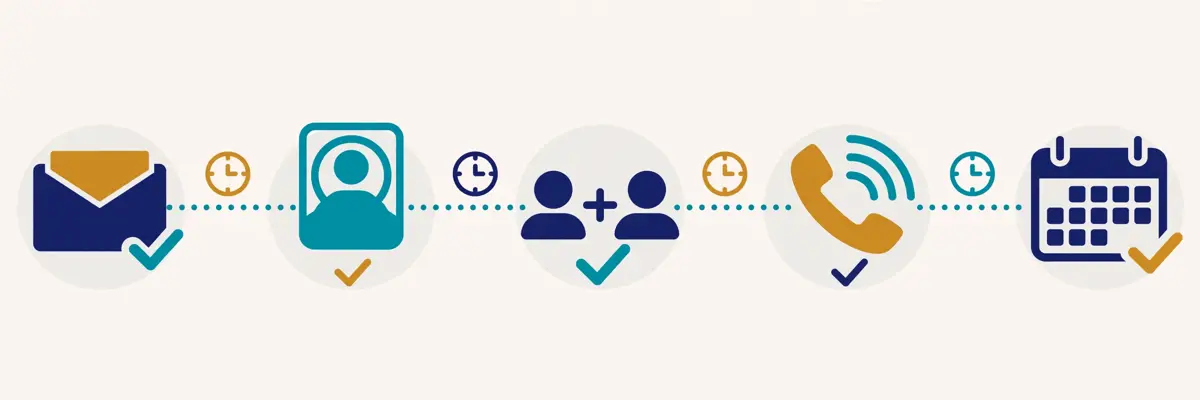
In fact, multichannel outreach is a sales sequence that contacts the same prospect on more than one channel, in a planned order, over days or weeks. A typical sequence opens with an email, follows with a LinkedIn profile visit and a connection invite, sends a LinkedIn message when the invite is accepted, adds a call, and closes with a final email. Finally, each step is a touch. Each touch has a job: the first touch introduces, the second reminds, the third adds a reason, and the fourth asks for the meeting. No single channel carries the whole sequence.
Moreover, the reason multichannel outreach lifts reply rates is simple arithmetic about attention. A buyer receives dozens of cold emails a day, and most of them are never opened. Moreover, that same buyer receives far fewer LinkedIn messages, and fewer still phone calls, so a message on a quieter channel stands out. A buyer who deletes an email without reading it may still accept a LinkedIn invite from a name they half recognise, because the email put the name in front of them first. Each channel makes the next one warmer, and the sequence earns the reply that no single channel would have earned alone.
Multichannel ai personalisation: one prospect, several touches, one story
Firstly, a good multichannel sequence tells one story across its touches, not five different stories. The email introduces the problem. The LinkedIn message refers back to the email. The call mentions the LinkedIn message. The follow-up email summarises the call. A prospect who sees the same problem described three ways, in three places, starts to believe the sender understands their world. In contrast, a sequence that fires a different pitch on every channel feels like five strangers, and five strangers get ignored together.
Secondly, the number of touches matters less than their spacing and their logic. A sequence of eight touches over three weeks, with two or three days between each, gives a busy buyer time to notice, to think, and to reply. Furthermore, a sequence of eight touches in four days feels like pressure, and pressure gets a prospect to block the sender. Our Cold Email for Beginners guide explains the sending side in full, and our Lead Generation and List Building Guide explains how to build the list these sequences run on.
Multichannel ai personalisation: what the research and the tools actually show
For example, the tools in this multichannel ai personalisation guide all make the same broad claim: adding a second and third channel raises reply rates over email alone. La Growth Machine puts it at 3.5 times more leads from multichannel outreach, and Reply.io reports reply rates three times higher on its platform. In addition, those are vendor figures, not independent studies, and no neutral audit of multichannel reply rates exists, so treat them as direction, not as a promise. The safer reading is that more channels mean more chances to be seen, and more chances to be seen mean more replies, provided the messages stay relevant and the volume stays human.
In sum, multichannel outreach is not a trick for sending more messages. It is a system for reaching a buyer where that buyer actually pays attention, with a message that fits them, at a pace that respects their time. In fact, the rest of this multichannel ai personalisation guide shows how each channel works, how AI makes each message fit, and which tools run the whole system without breaking the rules of any channel.
The email step: still the backbone of every sequence
Secondly, email is the backbone of every multichannel sequence, because it is the only channel that scales, carries detail, and leaves a record. A cold email can explain a problem, link to proof, and be re-read later. For example, a LinkedIn message cannot carry the same detail, and a call leaves nothing behind. That is why every sequence in this multichannel ai personalisation guide opens with email, and why every tool in it treats email as the first channel, not as one channel among equals.
In fact, the email step has two jobs, and both matter. The first job is the message itself: a short, relevant email that names the buyer’s problem and asks for a small next step. In contrast, the second job is the infrastructure behind it: warmed mailboxes, inbox rotation, SPF, DKIM and DMARC records, custom tracking domains, and bounce protection. A brilliant email sent from a cold, unwarmed mailbox lands in spam, and a spam email is a touch that never happened. Our guide to setting up a sending domain walks through the infrastructure step by step.
Multichannel ai personalisation: how email fits inside a sequence
Firstly, email usually plays three roles in a sequence. It opens the conversation, because an email address is the easiest contact detail to find and verify. In sum, next, it follows up after a LinkedIn touch, because an email can carry the detail that a short LinkedIn message cannot. Lastly, it closes the sequence, because a final email can summarise everything that came before and offer a clean way to say no. A sequence that uses email for all three roles, and other channels for the moments between them, is the shape most teams settle on.
Moreover, the tools differ in how much email they include. Lemlist gives unlimited users and senders on its Email plan, with unlimited emails and messages, and adds LinkedIn and calls on Multichannel. As a result, Apollo sequences email alongside its database and dialer, with automated warmup and inbox rotation built in. Reply.io offers unlimited mailboxes and unlimited monthly emails on its plans, subject to a fair usage policy, plus unlimited warmup. Salesforge connects unlimited mailboxes with smart rotation and unlimited premium warmup powered by Warmforge. The email engine is the part of the platform a buyer should test hardest, because it carries most of the volume.
Multichannel ai personalisation: email volume, and the limits that protect it
For example, volume is where email differs most from the other channels. A team can send hundreds of emails a day from rotated mailboxes, while LinkedIn caps invites at a few dozen a day and calls are limited by the hours in a rep’s day. That gap is exactly why email opens the sequence: it reaches the whole list fast, and the other channels then work the smaller group that engaged. In contrast, a team that starts with LinkedIn and adds email later will move slowly, because LinkedIn sets the pace for the whole campaign.
Finally, email is also the channel where AI personalisation pays off fastest. An AI icebreaker that mentions a real detail from the prospect’s website or LinkedIn profile turns a cold email into a message that looks written for one person. Similarly, Lemlist writes AI icebreakers from its 650 million lead database, Salesforge spends personalisation credits on fully unique emails, and Reply.io generates AI icebreakers and AI variables across its sequences. The email section of the AI layers chapter explains how those layers work, and what they cost.
LinkedIn: visits, invites, chat and voice notes
Secondly, LinkedIn is the second channel in almost every multichannel sequence, because it is where B2B buyers actually live. A buyer who ignores a cold email may still open LinkedIn daily, and a connection invite from a real person with a real profile is hard to ignore. However, LinkedIn also gives the sender something email cannot: a face, a job history, and a shared connection or two, all of which make the next message warmer. That warmth is the reason LinkedIn earns its place in the sequence.
In fact, LinkedIn outreach has four steps, and they run in a fixed order. A profile visit comes first, because it puts the sender’s name in the prospect’s notifications without asking for anything. Therefore, a connection invite comes next, with a short note that mentions a real detail. A chat message follows once the invite is accepted, and it can be longer and more direct than the invite note. A voice note is the newest step, and the most personal, because the prospect hears a human voice instead of reading another block of text. Lemlist, Reply.io, HeyReach and La Growth Machine all support visits, invites, chat and voice notes inside their sequences.
Multichannel ai personalisation: LinkedIn safety limits, and why they exist
Firstly, LinkedIn automation carries the one real account risk in this multichannel ai personalisation guide, and the safety limits are the whole story. LinkedIn caps how many connection requests an account can send each week. It watches for behaviour that looks automated: too many actions too fast, identical messages, and invites sent to people with no shared context. Meanwhile, an account that breaks those limits can be restricted, and a restricted account stops the whole sequence. Every serious LinkedIn tool therefore builds limits into the product, and a buyer should check those limits before buying.
Secondly, the two LinkedIn-first tools in this guide are the clearest about their limits. HeyReach enforces a hard 40-actions-a-day limit per sender, with sender rotation across accounts and a dedicated residential proxy per sender on its Growth plan. Instead, Waalaxy caps invites by plan, at 300 a month on Pro and 800 a month on Advanced and Business, and describes its approach as human-mimicking limits. La Growth Machine gives each identity its own dedicated mobile proxy, with inbox rotation and human-mimicking limits as its safety model. Enginy, the tool formerly called Genesy.ai, caps automated LinkedIn requests at 20 a day. Those numbers are the safety story, and they belong in any honest comparison.
Multichannel ai personalisation: the LinkedIn-first tools, and the platforms that add LinkedIn
Moreover, the tools split into two groups on LinkedIn. Waalaxy and HeyReach are LinkedIn-first: LinkedIn is the whole product, and email arrives through a higher plan or an integration with another tool. Indeed, Lemlist, Reply.io, La Growth Machine, Salesforge and Enginy are platforms: LinkedIn is one step inside a sequence that also sends email, makes calls, and sometimes sends SMS or WhatsApp. A buyer who lives on LinkedIn should start with a LinkedIn-first tool. A buyer who wants one login for every channel should start with a platform. Our Waalaxy review and our HeyReach review explain the LinkedIn-first side in full.
For example, LinkedIn InMail deserves a short note, because it is often confused with a connection invite. InMail is a paid message that reaches a prospect without a connection, and it needs a LinkedIn Premium or Sales Navigator account to send. Above all, Lemlist supports InMail when a Premium or Sales Navigator account is connected, and HeyReach supports InMail as one of its LinkedIn actions. InMail is useful for senior buyers who rarely accept invites from strangers, yet it costs more per message than an invite, so most teams use it sparingly, for the accounts that matter most.
Video: How to Write a LinkedIn Connection Request That Gets Accepted Every Time by Cleverly on YouTube. This video is the creator’s property, embedded via YouTube for education. OutreachCompare is not affiliated with Cleverly and does not claim ownership of this video.
Multichannel ai personalisation: writing invites that get accepted
Finally, the invite note is the smallest message in the sequence, and the easiest to get wrong. A good invite note is one or two sentences, mentions a real detail about the prospect, and asks for nothing. On the other hand, a bad invite note pitches the product, lists features, or copies a template the prospect has already seen ten times. Cleverly’s video above shows the difference in practice, and the rule it teaches applies to every channel in this multichannel ai personalisation guide: the first touch should earn attention, not ask for a meeting.
Calls: the step most teams skip, and the one buyers remember
Secondly, calls are the step most teams skip, because a call takes a human minute and an email takes a human second. That cost is also the reason calls work. In other words, a buyer who has ignored two emails and a LinkedIn message will often pick up the phone, because a call is harder to ignore than a message. A voice is harder to dismiss than text. A call also answers the question no message can answer: is this buyer interested, and if not, why not. The answer, even when it is no, makes the next sequence smarter.
In fact, calls play a different role depending on where they sit in the sequence. Early in the sequence, a call after the first email tests whether the buyer is reachable and warms the next email. Consequently, midway through, a call after a LinkedIn acceptance turns a digital conversation into a human one. Near the end, a call after several touches is the last chance to reach a buyer who engaged but never replied. Apollo, Lemlist, Reply.io, La Growth Machine, Salesforge and Enginy all put calling inside their sequences, and most of them treat it as a task for a rep rather than a fully automated step.
Multichannel ai personalisation: dialers, parallel calling and AI call briefs
Firstly, the calling features differ more than the email features do, so they deserve a close look. Apollo ships a cloud dialer with call recording on its higher plans. Nevertheless, Lemlist connects to Aircall and Ringover for calling, and ships a built-in dialer with VoIP integrations on its Multichannel plan. Reply.io ships a built-in dialer with calls and SMS from $29 a month per account, plus call resolution and transcripts, and AI-generated personalised voice messages. La Growth Machine includes calls as a channel on every plan, with its sequences mixing calls into LinkedIn and email steps.
Secondly, the AI SDRs handle calls in opposite ways, and the difference matters. Artisan’s Ava does not place calls at all: its AI dialler queues calls for human reps. Every call comes with a brief before it and a distilled follow-up after it. 11x takes the same approach in the other direction: it does the preparation, and the rep makes the call. Firstly, Carly AI, on its Organization plan, adds business SMS and calling plus an AI receptionist that answers inbound calls. A buyer who wants an AI to dial should know that none of the four AI SDRs in this multichannel ai personalisation guide places outbound calls by itself.
Multichannel ai personalisation: when a call beats another email
Moreover, a call beats another email in three situations. A prospect who opened the email three times but never replied is interested and busy, and a call catches them in the moment. A prospect who accepted a LinkedIn invite but never answered the message has already said yes once. A call turns that yes into a conversation. A deal that has gone quiet after a good first meeting needs a voice, not a fourth follow-up email. In contrast, a call to a prospect who never opened anything is a cold call, and a cold call to a list that never engaged wastes the rep’s best hours.
For example, the honest cost of calling is the rep’s time, and that cost decides how many calls a sequence should hold. One call per prospect per sequence is enough for most teams, because a second call to the same unresponsive prospect rarely changes the answer. Secondly, two calls belong in a sequence only for the highest-value accounts, where one conversation is worth an hour of a rep’s day. A sequence with a call on every step is not a multichannel sequence. It is a call centre, and it will burn the team out before it books a meeting.
WhatsApp and SMS: powerful, and tightly gated
Secondly, WhatsApp and SMS are the most direct channels in this multichannel ai personalisation guide, and the most tightly gated. A message that lands on a phone gets read within minutes, because phones are always in hand, and that speed is the whole appeal. Finally, the same speed is the whole risk: a message on a personal phone feels far more intrusive than an email, and a buyer who feels intruded on will block the sender, report the message, and remember the company for the wrong reason. WhatsApp and SMS belong late in a sequence, for warm prospects, and never as the first touch.
In fact, the gating is real, and it comes from the platforms, not from the tools. WhatsApp Business requires an approved template for outbound messages, and it limits how many conversations a business can start. Moreover, SMS is governed by consent rules that vary by country, and by carrier filtering that blocks messages that look like spam. A tool can automate the sending, yet it cannot remove the consent requirement. A buyer should treat any tool that promises otherwise with suspicion. Our Is Cold Email Legal? guide explains the consent rules that sit behind every channel.
Multichannel ai personalisation: which tools offer WhatsApp and SMS
Firstly, the tools that offer WhatsApp and SMS do so in different ways. Lemlist lists SMS automation on its Multichannel plan and WhatsApp automation as an add-on, with calls through its built-in dialer. Furthermore, Reply.io includes WhatsApp tasks in its sequences and sells calls and SMS as a $29-a-month add-on per account. Carly AI adds business SMS and calling on its Organization plan, alongside its AI receptionist. Salesforge’s sequences include social actions and calls, and its platform sits alongside the Forge infrastructure products. Apollo, La Growth Machine, Waalaxy, HeyReach and Enginy do not list WhatsApp or SMS as native channels in their current plans.
Secondly, the right use for these channels is narrow and specific. SMS works as a short nudge after a meeting is booked, or as a reminder before a call, because the prospect already expects it. WhatsApp works for a prospect who already replied on another channel and prefers to continue there, because the conversation moved, not because the sender forced it. In contrast, a cold WhatsApp message to a prospect who never heard of the sender is the fastest way to get a number blocked. A blocked number is a channel lost for good.
Multichannel ai personalisation: a simple rule for phone channels
Finally, the rule is simple enough to print on a wall: never open on a phone channel, never send a pitch on a phone channel, and never message a phone number that the prospect did not share or that was not found through a verified business source. A phone channel is a privilege the prospect grants, not a right the sender holds. In addition, teams that respect that rule find WhatsApp and SMS genuinely useful. Teams that break it find their numbers blocked, and their brand damaged, within a week.
Building a sequence that branches on behaviour
Secondly, a sequence is a list of steps with timing. A good sequence is a list of steps that changes when the prospect acts. A prospect who opens an email three times should get a different next step from a prospect who never opened it. In fact, a prospect who accepts a LinkedIn invite should get a LinkedIn message, while a prospect who ignores the invite should stay on email. That branching is what separates a multichannel sequence from a set of parallel campaigns. It is the feature a buyer should test first in any tool.
In fact, the branching tools in this multichannel ai personalisation guide all work the same way at the core. Each step has a condition: when the prospect replies, stop the sequence. For example, an open earns a wait and a follow-up. Once the invite is accepted, send a LinkedIn message. When the invite is ignored, stay on email. Lemlist, Reply.io, La Growth Machine and Salesforge all build conditions into their sequence builders, and HeyReach adds If Connected logic to its LinkedIn steps. A sequence without conditions is a broadcast, and a broadcast is not multichannel outreach.
Multichannel ai personalisation: a starter sequence that works
Firstly, a starter sequence needs seven steps over about three weeks, and it needs no more than that. Day one sends the first email, short and personal, about the buyer’s problem. In contrast, on day three, the sequence visits the LinkedIn profile, which puts the sender’s name in front of the prospect without asking anything. The next day, it sends the connection invite, with a one-sentence note that mentions a real detail. On day seven, a LinkedIn message goes out, but only when the invite was accepted. Three days later, the sequence makes the call, because a voice is the step most sequences skip. On day fourteen, a second email goes out, with a new reason to reply. The final email lands on day twenty-one, which offers a clean way to say no and closes the sequence politely.
Secondly, the timing between steps matters as much as the steps themselves. Two or three days between touches gives a busy buyer time to notice, and a week between the later touches gives them time to think. In sum, a sequence that fires every day feels like pressure, and pressure gets a prospect to unsubscribe or block the sender. A sequence that waits a month between touches feels forgotten, and a forgotten sequence never books a meeting. Three weeks, seven touches, two or three days apart, is the shape most teams should start with, and then adjust from the reply data.
Multichannel ai personalisation: the sequence, side by side
| Channel | What it does in a sequence | Best for | Weakness |
|---|---|---|---|
| Opens, follows up and closes Carries detail and links | Scale, detail, a written record | Crowded inbox, spam filters | |
| LinkedIn visit | Puts your name in notifications Asks for nothing | Warming a prospect before the invite | Easy to ignore on its own |
| LinkedIn invite | Asks for a connection Short note with a real detail | Buyers who live on LinkedIn | Weekly caps, account risk |
| LinkedIn chat | Continues after acceptance Short, informal, direct | Turning an acceptance into a reply | Only works after acceptance |
| Voice note | A human voice, not text Personal and hard to ignore | High-value accounts, warm prospects | Slow to record at volume |
| Call | Tests interest in real time Answers the why behind a no | Engaged prospects, quiet deals | Costs a rep’s hour |
| WhatsApp / SMS | Short nudge on a phone Read within minutes | Reminders, warm prospects only | Consent rules, block risk |
Last checked: 16 November 2026. Channel features come from the official sites of Lemlist, Reply.io, La Growth Machine, Waalaxy, HeyReach and Salesforge. Features and pricing can change, so please check the provider’s site before you buy.
Multichannel ai personalisation: reading the channels table
In sum, the channels table makes the trade-off plain. Email scales and carries detail, yet it fights a crowded inbox. As a result, LinkedIn warms and personalises, yet it caps volume and carries account risk. Calls convert and teach, yet they cost a rep’s time. WhatsApp and SMS get read fast, yet they demand consent and restraint. A sequence that uses each channel for the job it does best, and none of them for the job it does worst, is the sequence that books meetings without burning the list, the domain, or the LinkedIn account.
AI personalisation layers: from icebreakers to intent signals

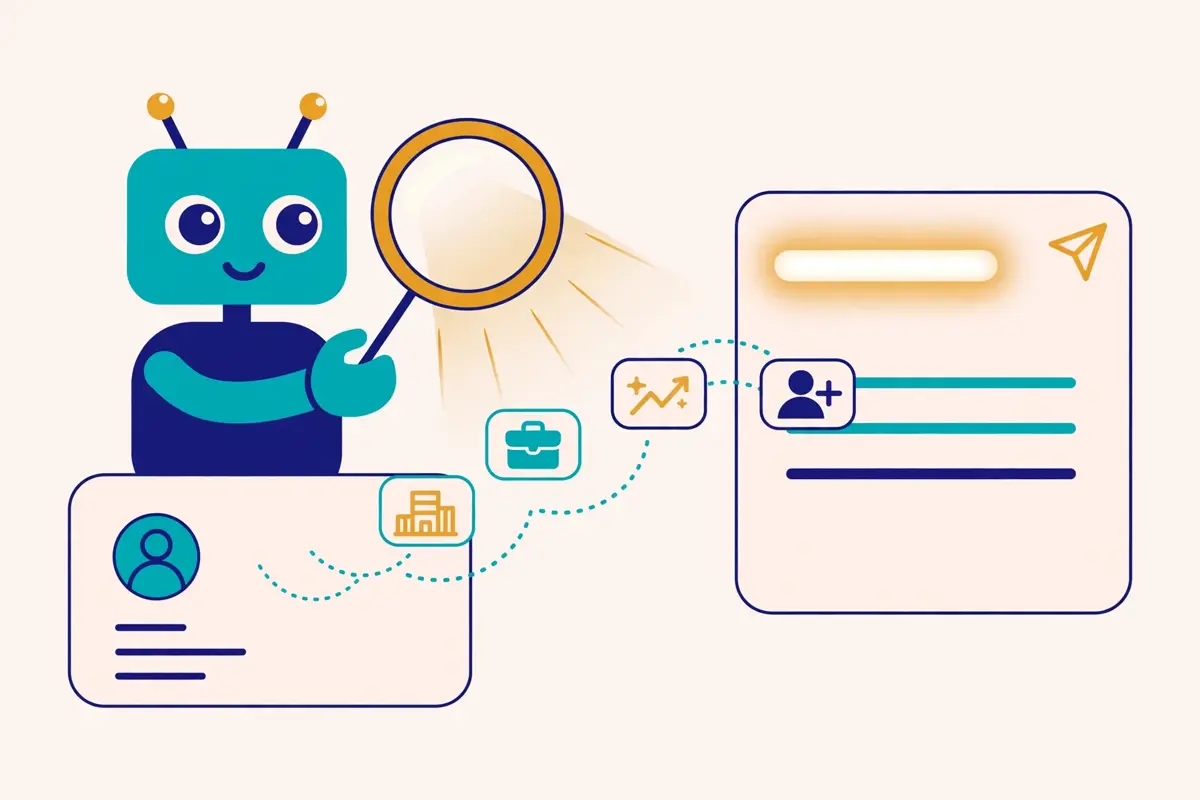
Firstly, AI personalisation is not one feature. It is a stack of layers, and each layer adds relevance at a different point in the sequence. The bottom layer writes the first line. Similarly, above it, a writer drafts the whole email. Higher still, enrichment finds the data the email is written from. Near the top, intent signals watch for the moment the buyer is ready. The top layer runs the whole sequence by itself. A buyer who understands the layers can buy the cheapest layer that solves their problem, instead of paying for an AI SDR when an icebreaker would have done.
Secondly, the layers also differ in what they cost and what they risk. An icebreaker costs a fraction of a cent and risks almost nothing, because a human still reads the email before it sends. However, a full AI writer costs more and risks more, because a bad draft can go out unedited. An AI SDR costs hundreds or thousands a month and risks the most, because it contacts buyers on its own. The right order is to climb the stack slowly: icebreakers first, then writers, then enrichment and intent, and only then an AI SDR, once the team knows what good looks like.
Multichannel ai personalisation: AI icebreakers and spintax
Moreover, the AI icebreaker is the smallest and safest layer. It writes one or two opening sentences from real data about the prospect: a recent post, a funding round, a hiring spike, a new product, or a line from the company website. Therefore, Lemlist writes AI icebreakers from its database, Reply.io generates AI icebreakers across its sequences, and Salesforge spends personalisation credits on fully unique emails. The icebreaker works because it proves the sender looked. A first line that mentions a real detail earns the second line a read, and a second line that earns a read earns a reply.
For example, spintax and variables are the older, simpler layer that AI now sits on top of. Spintax rotates synonyms through a sentence, so a hundred prospects get a hundred slightly different emails, and variables pull in the prospect’s name, company, title and industry. Meanwhile, Lemlist, Apollo, Reply.io, Salesforge and La Growth Machine all support variables and spintax. Reply.io adds AI variables that write a personalised phrase per prospect. Spintax alone is not personalisation, because a rotated synonym is still a template. Spintax plus a real data point is personalisation, because the sentence now fits one person.
Multichannel ai personalisation: AI writers and AI agents
Firstly, the AI writer is the next layer up, and it writes the whole email or the whole sequence from a short brief. Lemlist’s lemAgent builds a multichannel campaign from a description of the offer and the audience, with steps, timing and branching. Instead, Reply.io’s AI sequence builder does the same inside its platform, and Salesforge’s AI email generator writes unique emails per lead. La Growth Machine includes AI messages on every plan, and its Reply Agent drafts answers to incoming replies. Amplemarket, covered in our Amplemarket review, adds a Duo Copywriter that drafts from its signals. The writer saves hours, yet every draft still deserves a human read before it sends, because an AI that writes fast can also write wrong fast.
Secondly, AI agents are the layer that acts, not just writes. Lemlist’s lemAgent, its Signal Agents and its Agentic Enrichment run tasks on their own: watching for signals, enriching records, and drafting messages. Indeed, La Growth Machine’s MCP server lets Claude and ChatGPT run its campaigns, and its Reply Agent answers replies. HeyReach ships an MCP server, an API and webhooks on all plans, so an AI agent can drive its LinkedIn steps. Salesforge’s Growth plan adds its own MCP and CLI. An agent is worth the price when it does a job a human would otherwise do badly or slowly. It is a waste when it only writes what a template already wrote.
Multichannel ai personalisation: enrichment, waterfall and intent signals
Moreover, enrichment is the layer that makes every other layer possible, because an AI cannot personalise from data it does not have. Enrichment fills in the gaps in a record: the company, the title, the industry, the technologies, the phone number, and one recent signal. Above all, a waterfall chains several data sources together, trying each in turn until one returns the missing field. Lemlist runs a waterfall across more than 14 providers, La Growth Machine runs one across 9 providers. Enginy runs one across more than 30 providers, with FullEnrich as its main provider. Apollo runs its own waterfall across its database and its partners.
For example, intent signals are the layer that watches for timing. A funding round, a hiring spike, a job change, a technology change, a website visit. A G2 comparison is another signal that a company is ready to hear from a seller. On the other hand, Lemlist sells buying intent signals as a $29-a-month add-on, with Signal Agents watching for them. Enginy tracks job changes, hiring, funding and tech stack as intent signals. Artisan’s Watchtower names the companies that visited the website, and 11x watches funding, hiring spikes, job changes, tech shifts, site visits and G2 activity. Signal-built lists run smaller than firmographic lists, yet their replies come far more often. Our Best B2B Data Providers guide explains the data side in full.
Multichannel ai personalisation: the AI layers, side by side
| AI layer | What it does | Who offers it | Watch out for |
|---|---|---|---|
| AI icebreaker | Writes a personal first line From a real detail about the prospect | Lemlist, Reply.io, Salesforge | Stale data writes a wrong first line |
| Spintax / variables | Rotates wording, fills in fields Name, company, title, industry | Lemlist, Apollo, Reply.io, Salesforge, La Growth Machine | Rotation alone is not personal |
| AI writer | Drafts the whole email or sequence From a short brief | Lemlist lemAgent, Reply.io, Salesforge, La Growth Machine | Drafts need a human read first |
| AI enrichment | Fills gaps in the record Waterfall across several providers | Lemlist 14+ providers, La Growth Machine 9, Enginy 30+ | Each provider tried costs credits |
| Intent signals | Flags buyers who are ready now Funding, hiring, visits, job changes | Lemlist, Enginy, Artisan Watchtower, 11x | Signals are small lists, not scale |
| AI SDR | Runs the whole sequence alone Finds, writes, sends, handles replies | Artisan Ava, 11x Alice, Reply.io Jason, Salesforge Frank | Highest price, highest risk |
Last checked: 16 November 2026. AI features come from the official sites of Lemlist, Reply.io, Salesforge, La Growth Machine and Enginy. Features and pricing can change, so please check the provider’s site before you buy.
Multichannel ai personalisation: reading the AI layers table
In sum, the AI layers table makes the climbing order plain. Start with icebreakers and variables, because they cost almost nothing and change the reply rate at once. In other words, bring in a writer when drafting takes too long, and enrichment when the records are too thin to write from. Intent signals belong next, once the list is big enough that timing matters more than volume. An AI SDR comes last, only when the team knows what a good sequence looks like, because an AI SDR that runs a bad sequence will run it at a scale no human ever could.
AI SDRs: Ava, Alice, Jason and Agent Frank
Secondly, an AI SDR is a software agent that does the work of a sales development rep: it finds prospects, researches them, writes personalised messages, sends them across channels, handles the replies, and books the meeting. The four AI SDRs in this multichannel ai personalisation guide are Artisan’s Ava, 11x’s Alice, Reply.io’s Jason, and Salesforge’s Agent Frank. Consequently, they share the same promise, and they differ sharply in price, in channels, and in how much a human stays in charge.
In fact, the promise is the same because the pain is the same. Hiring an SDR costs $8,000 to $12,000 a month in salary, benefits, tooling and management, by 11x’s own comparison on its pricing page. A good SDR is hard to hire and slow to ramp. Nevertheless, an AI SDR costs a fraction of that, starts in days or weeks, and never sleeps. The honest question is not whether an AI SDR is cheaper than a human. It is whether an AI SDR books meetings that turn into pipeline, and whether it does so without damaging the brand that a human would have protected.
Multichannel ai personalisation: Artisan Ava, the AI BDR
Firstly, Artisan’s Ava is the AI BDR that books meetings for human reps, and it is the most enterprise-shaped of the four. Ava runs more than 20 campaign types, watches website visitors through Watchtower, reacts to intent triggers, and handles replies and meeting booking on its own. Firstly, its default pricing tab is quote-only, with Team at around 2,500 leads contacted a month and Scale at around 6,000, and every plan includes the full platform, 250 million verified contacts, Salesforce and HubSpot sync, and a customer success manager. Ava does not place calls: its AI dialler queues calls for reps, with a brief before each call and a distilled follow-up after it. Our Artisan review covers Ava in full.
Secondly, the Startups tab on Artisan’s pricing page shows a different picture, and it needs an honest label. The figures there, from $250 a month on annual billing for the Intern plan, with 10,000 credits for about 500 leads, could not be read in a plain page fetch, because the tab does not render statically. Secondly, they are cross-checked against three independent reviews of the same page from October 2026, all agreeing, and the article that covers them flags the sourcing. A buyer who wants the startup price should check the tab directly before budgeting, because the default tab shows no price at all.
Multichannel ai personalisation: 11x Alice, the priciest AI SDR here
Moreover, 11x’s Alice is the AI SDR that does outbound end to end, and it is the priciest product in this multichannel ai personalisation guide by a wide margin. Its Outbound Growth plan starts at $36,000 a year, billed annually, for up to 5 users and 2,000 new prospects a month, with managed Gmail mailboxes, domain setup, warmup, inbox rotation and monitoring included. Finally, pro is custom, for 5,000 prospects and 10 users across 105-plus languages, and Enterprise is custom, for 10,000-plus prospects and unlimited users. 11x charges per lead, not per send, so the price stays the same whether Alice runs three touchpoints or thirty. Our 11x review explains the model in full.
For example, the 11x price moved during the autumn, and the move is worth noting. Trackers from September and October 2026 recorded the Outbound Growth card at $3,750 a month, or $45,000 a year. Moreover, on 16 November 2026 the live page reads $36,000 a year, which agrees with its own FAQ, and this guide uses $36,000. A buyer who saw the older figure should know the price fell, and should check the page again before signing, because a price that moved once can move again. 11x also sells an Inbound product, formerly called Julian, with voice from $5,333 a month and chat from $2,417 a month, billed annually.
Multichannel ai personalisation: Reply.io Jason and Salesforge Agent Frank
Firstly, Reply.io’s Jason is the AI SDR that sits on top of Reply’s multichannel engine, and it is the cheapest of the four to start with. Jason starts from $500 a month on annual billing, with the monthly figure at $800 resting on the 15 November check, behind the pricing slider, so treat the monthly number with care. Furthermore, Jason learns the business, finds leads, enriches them, launches multichannel outreach across email, LinkedIn and calls, personalises every message, and handles replies from custom playbooks, in more than 50 languages. Our Reply.io review covers Jason in full.
Video: Jason AI SDR 2.5: Smarter, Human-Like Outreach That Converts by Reply on YouTube. This video is the creator’s property, embedded via YouTube for education. OutreachCompare is not affiliated with Reply and does not claim ownership of this video.
Secondly, Salesforge’s Agent Frank is the AI SDR that sells itself as a hire, not a tool, and it is priced close to Jason. Frank starts from $499 a month, billed quarterly, with a separate subscription and a demo required before access. In addition, Frank runs 24/7 automated prospecting, works in autopilot or co-pilot modes, searches a 500-million-plus contact engine, and works in more than 20 languages, with a dedicated account manager and a shared Slack channel. The Growth base plan underneath it costs $96 a month on monthly billing, or $80 on annual billing, so the full Frank stack starts at roughly $595 a month before credits. Our Salesforge review covers Frank in full.
Multichannel ai personalisation: the four AI SDRs, side by side
| AI SDR | Starting price | Channels | What a human still does |
|---|---|---|---|
| Artisan Ava | Quote-led; startups from $250/mo annual (reported) Team ~2,500 leads/mo | Email, LinkedIn, signals No outbound calls by Ava | Reps make the calls Ava queues |
| 11x Alice | From $36,000/yr, billed annually 2,000 prospects/mo, 5 users | Email, social, rep-led calls Managed Gmail mailboxes | Reps make the calls Alice prepares |
| Reply.io Jason | From $500/mo annual ($800 monthly, 15 Nov check) | Email, LinkedIn, calls 50+ languages | Team writes the playbooks Jason follows |
| Salesforge Frank | From $499/mo, billed quarterly Plus Growth plan $96/mo monthly | Email, LinkedIn, social actions 20+ languages | Team runs the demo, then Frank runs |
Last checked: 16 November 2026. AI SDR prices come from the official sites of Artisan, 11x, Reply.io and Salesforge. Artisan’s startup figures are reported, not read off the live page directly, and Reply.io’s $800 monthly figure rests on the 15 November check. Features and pricing can change, so please check the provider’s site before you buy.
Multichannel ai personalisation: reading the AI SDR table
In sum, the AI SDR table makes the choice plain. Jason and Frank cost about $500 a month and sit on top of a platform the team already runs, so they are the cheapest way to try an AI SDR. In fact, Ava is quote-led and enterprise-shaped, with a startup route that is reported rather than published. Alice is the premium option at $36,000 a year, with managed mailboxes and per-lead pricing that suits a team with a serious pipeline target. None of the four places outbound calls by itself, so a team that wants calls still needs a rep, and a team that buys an AI SDR to replace its reps will be disappointed.
Eleven tools at a glance
In fact, the eleven tools split into three groups, and the split makes the choice much easier. Lemlist, Apollo, Reply.io, La Growth Machine, Salesforge and Enginy are platforms: email, LinkedIn and calls in one login, with AI personalisation built in. For example, Waalaxy and HeyReach are LinkedIn-first: LinkedIn is the whole product, and email arrives through a higher plan or an integration. Artisan, 11x, Carly AI and Reply.io’s Jason are the AI SDR group, although Reply.io and Salesforge sit in both groups at once, because their AI SDRs run on top of their own platforms.
Multichannel ai personalisation: the platforms, the LinkedIn-first tools and the AI SDRs
| Tool | Starts from | Channels | Best for |
|---|---|---|---|
| Lemlist | $69/mo; Multichannel $109/user/mo | Email, LinkedIn, calls, SMS, WhatsApp add-on | Best all-round multichannel platform |
| Apollo | Free $0; Basic $49/user/mo annual | Email, LinkedIn tasks, cloud dialer | Best database-first multichannel |
| Reply.io | From $59/mo; Jason from $500/mo annual | Email, LinkedIn, calls, SMS, WhatsApp tasks | Best multichannel plus AI SDR |
| La Growth Machine | €60/mo per identity; €50 annual | LinkedIn, email, calls | Best identity-based multichannel |
| Waalaxy | €19/user/mo | LinkedIn; email on Business | Best LinkedIn-first starting point |
| HeyReach | $79/sender/mo | LinkedIn; email via integrations | Best LinkedIn scale for agencies |
| Artisan Ava | Quote-led; startups from $250/mo annual (reported) | Email, LinkedIn, signals | Best enterprise AI BDR |
| 11x Alice | From $36,000/yr | Email, social, rep-led calls | Best premium AI SDR with managed mailboxes |
| Carly AI | Free $0; Personal $35/mo | Email, SMS, calling on Organization | Best AI assistant that also does outreach |
| Genesy.ai / Enginy | Basic €599/mo (help centre) | Email, LinkedIn, cold calling | Best AI finder plus multichannel |
| Salesforge | Pro $48/mo; Frank from $499/mo quarterly | Email, LinkedIn, social actions | Best AI personalisation value |
Last checked: 16 November 2026. Starting prices come from the official pricing pages of all eleven providers, except where noted: Apollo’s prices are JS-rendered and cross-checked from same-day checks, Artisan’s startup figure is reported, and Enginy’s plan prices come from its official help centre. Features and pricing can change, so please check the provider’s site before you buy.
Multichannel ai personalisation: how to read the at-a-glance table
Moreover, the at-a-glance table hides one important fact: the cheapest starting price is rarely the cheapest total price. A platform that starts at $69 a month may charge extra for enrichment, intent signals, LinkedIn seats, and calling minutes, while a platform that starts at $109 a month may include them. In contrast, Lemlist charges $20 a month for enrichment and $29 a month for intent signals on top of its plans. Reply.io charges $69 for LinkedIn and $29 for calls and SMS. La Growth Machine charges per identity, so a team of three senders pays three times the headline price. The pricing tables below show the full picture, with the add-ons that change the bill.
Pricing head-to-head: eleven tools, two honest tables
Secondly, pricing is where this multichannel ai personalisation guide earns its keep, because the eleven tools price themselves in eleven different ways. Some charge per user, some per sender, some per identity, some per lead, and one charges $36,000 a year. In sum, the tables below put the headline price, the annual price, the trial, and the biggest add-on side by side, so a reader can compare like with like. Where a vendor publishes no price, the table says so, and where a figure is reported rather than published, the table says that too.
Multichannel ai personalisation: the six platforms, priced
| Tool | Entry plan | Annual price | Trial | Biggest add-on |
|---|---|---|---|---|
| Lemlist | Email $69/mo Multichannel $109/user/mo | $55 / $87 14-day trial, 200 credits | 14 days, no card | Enrichment $20/mo; intent $29/mo |
| Apollo | Free $0 Basic $49/user/mo | $49 annual; $65 monthly Professional $79 / $99 | Free plan, no time limit | Extra credits, top-ups |
| Reply.io | Email Volume from $59/mo Multichannel from $99/user/mo | $49 / $89 Jason from $500/mo | 14 days | LinkedIn $69; calls & SMS $29 |
| La Growth Machine | Basic €60/mo per identity Pro €120; Ultimate €180 | €50 / €100 / €150 Per identity | 14 days, no card, 1 identity | Credits €0.01 top-up |
| Salesforge | Pro $48/mo Growth $96/mo | $40 / $80 Frank from $499/mo quarterly | 14 days | Frank $499/mo; extra credits |
| Genesy.ai / Enginy | Basic €599/mo Smart €799; Business €1,199 | Check the site Help centre, 6 Nov 2026 | No trial stated; demo is the route in | Fully Managed from €5,000/mo |
Last checked: 16 November 2026. Prices come from the official pricing pages of Lemlist, Apollo, Reply.io, La Growth Machine, Salesforge and Enginy. Apollo’s plan prices are JS-rendered on the live page and are cross-checked from our same-day checks. Enginy’s pricing page is a custom-quote form with no prices; its plan figures come from Enginy’s official help centre. Features and pricing can change, so please check the provider’s site before you buy.
Multichannel ai personalisation: LinkedIn-first tools and AI SDRs, priced
| Tool | Entry plan | Annual price | Trial | Biggest add-on |
|---|---|---|---|---|
| Waalaxy | Pro €19/user/mo Advanced €49; Business €69 | Quarterly −20%; yearly −50% | 14 days, all plans | LinkedIn Inbox €20/mo |
| HeyReach | Growth $79/sender/mo $59 from 10 senders | Quarterly −10%; yearly −20% | 14 days, no card, 3 accounts | Agency $999/mo; Unlimited $2,999/mo |
| Artisan Ava | Quote-led Team ~2,500 leads/mo | Check the site Startups from $250/mo (reported) | Check the site | AI dialler, per seat |
| 11x Alice | Growth from $36,000/yr 2,000 prospects/mo, 5 users | Billed annually Pro and Enterprise custom | No free trial or free plan | Inbound voice $5,333/mo; chat $2,417/mo |
| Carly AI | Free $0 Personal $35/mo | Check the site Organization $35/seat/mo | Free plan is the try-it route | Enterprise custom |
Last checked: 16 November 2026. Prices come from the official pricing pages of Waalaxy, HeyReach, Artisan, 11x and Carly AI. Artisan’s startup figures are reported, cross-checked against three independent October 2026 reviews. 11x’s Growth card read $3,750 a month in September and October 2026 trackers and reads $36,000 a year today. Features and pricing can change, so please check the provider’s site before you buy.
Multichannel ai personalisation: reading the pricing tables
For example, the pricing tables show a spread from free to $36,000 a year, and that spread is the whole market in one view. A solo founder can start on Waalaxy at €19 a month, or on Carly AI for free, or on Apollo’s free plan, and learn the craft for almost nothing. As a result, a small team can run Lemlist Multichannel at $87 a user a month on annual billing, or Reply.io Multichannel at $89, and cover every channel in one login. A team that wants an AI SDR pays $500 a month for Jason or Frank, or $36,000 a year for Alice, and the difference between those two prices is the difference between a tool that helps a team and a digital worker that replaces one.
Moreover, the annual discount is worth a real look, because it varies from nothing to half the price. Waalaxy cuts its yearly price by 50%, which turns €19 a month into roughly €9.50 a month when paid yearly. Similarly, HeyReach cuts yearly billing by 20%, and quarterly by 10%. Lemlist cuts its Multichannel plan from $109 to $87 a month on annual billing, a saving of about 20%. Apollo cuts Basic from $65 to $49 a month. A buyer who knows they will use a tool for a year should always check the annual figure, because the monthly figure is the most expensive way to buy.
Feature matrix: all eleven tools side by side
Secondly, the feature matrix is the part of this multichannel ai personalisation guide that a buyer should read with a pen in hand. It answers the question the pricing tables cannot: which tool actually does the job, on which channel, with which AI layer. However, a tick means the feature is stated on the provider’s official site. A dash means it is not confirmed, or it is confirmed absent. A dash is not a verdict on the tool. It is a fact about the feature, and a buyer who needs that feature should choose a tool that ticks it.
Multichannel ai personalisation: channels and AI layers in the matrix
| Feature | Lemlist | Apollo | Reply.io | La Growth Machine | Waalaxy | HeyReach |
|---|---|---|---|---|---|---|
| Email sequences | ✓ | ✓ | ✓ | ✓ | ✓ Business | — via integration |
| LinkedIn automation | ✓ | ✓ task queues | ✓ | ✓ | ✓ | ✓ |
| LinkedIn voice notes | ✓ | — | ✓ | — | — | ✓ |
| Calls / dialer | ✓ | ✓ | ✓ | ✓ | — | — |
| WhatsApp / SMS | ✓ | — | ✓ | — | — | — |
| AI icebreakers | ✓ | ✓ AI writer | ✓ | ✓ AI messages | ✓ Waami AI | — |
| AI enrichment | ✓ 14+ providers | ✓ waterfall | ✓ | ✓ 9 providers | ✓ Email Finder | ✓ credits |
| Intent signals | ✓ $29/mo add-on | ✓ | ✓ | ✓ | — | — |
| AI SDR | — lemAgent only | — | ✓ Jason | — Reply Agent only | — | — |
| Unified inbox | ✓ | ✓ | ✓ | ✓ | ✓ add-on €20 | ✓ |
| Warmup / rotation | ✓ lemwarm | ✓ | ✓ Mailtoaster | ✓ rotation, proxies | — | ✓ rotation, proxies |
Last checked: 16 November 2026. “✓” means the feature is stated on the provider’s official site; “—” means it is not confirmed or is confirmed absent. Features come from the official sites of Lemlist, Apollo, Reply.io, La Growth Machine, Waalaxy and HeyReach. Features and pricing can change, so please check the provider’s site before you buy.
Multichannel ai personalisation: AI SDRs, Carly AI, Enginy and Salesforge in the matrix
| Feature | Artisan Ava | 11x Alice | Carly AI | Genesy.ai / Enginy | Salesforge |
|---|---|---|---|---|---|
| Email sequences | ✓ | ✓ | ✓ | ✓ | ✓ |
| LinkedIn automation | ✓ | ✓ social | — | ✓ | ✓ |
| LinkedIn voice notes | — | — | — | — | — |
| Calls / dialer | ✓ queues for reps | ✓ rep-led | ✓ Organization | ✓ | — |
| WhatsApp / SMS | — | — | ✓ SMS, Organization | — | — |
| AI icebreakers | ✓ | ✓ | ✓ | ✓ AI Variables | ✓ |
| AI enrichment | ✓ 250M+ contacts | ✓ 400M contacts | — no database | ✓ 30+ providers | ✓ 500M+ for Frank |
| Intent signals | ✓ Watchtower | ✓ | — | ✓ | — |
| AI SDR | ✓ Ava | ✓ Alice | ✓ agents | ✓ AI Sales Agents | ✓ Frank |
| Unified inbox | ✓ | ✓ | ✓ shared inbox | ✓ smart inbox | ✓ Primebox |
| Warmup / rotation | ✓ managed | ✓ managed mailboxes | — no warmup | — no warmup | ✓ Warmforge |
Last checked: 16 November 2026. “✓” means the feature is stated on the provider’s official site; “—” means it is not confirmed or is confirmed absent. Features come from the official sites of Artisan, 11x, Carly AI, Enginy and Salesforge. Features and pricing can change, so please check the provider’s site before you buy.
Multichannel ai personalisation: reading the feature matrix
In sum, the matrix shows that no tool ticks every box, and that is the honest truth of this market. Lemlist and Reply.io come closest, with every channel and most AI layers in one login. Therefore, Apollo is the database-first choice, with email and a dialer but no WhatsApp or SMS. Waalaxy and HeyReach are LinkedIn specialists, and their dashes on email and calls are the price of that focus. Artisan and 11x are AI SDR specialists, and their strength is autonomy, not channel breadth. Carly AI is an assistant first and an outreach tool second, with no database and no warmup. Enginy is the AI finder with multichannel sequences attached, and Salesforge is the value play that pairs cheap AI personalisation with a paid AI SDR.
Deliverability and safety: LinkedIn limits, warmup and account risk
Secondly, deliverability and safety are the unglamorous half of multichannel ai personalisation, and they decide whether the sequence ever reaches a buyer. A sequence that lands in spam, or a LinkedIn account that gets restricted, produces nothing, no matter how clever its AI icebreakers are. Meanwhile, the rules are simple, the tools are good, and the teams that follow the rules keep their domains and their accounts healthy for years. The teams that ignore them spend months recovering.
In fact, email deliverability starts with warmup, and warmup starts weeks before the first cold email. A new mailbox should send a few emails a day, rising slowly over two or three weeks, while a warmup network exchanges emails with it and pulls them out of spam. Lemlist includes lemwarm on every plan. Apollo runs automated warmup with inbox rotation. Reply.io offers unlimited warmup through Mailtoaster. Instead, Salesforge includes unlimited premium warmup powered by Warmforge. La Growth Machine relies instead on dedicated mobile proxies per identity, inbox rotation and human-mimicking limits, with no dedicated warmup pool listed. Enginy and Carly AI list no built-in warmup at all, so a buyer of either should warm up elsewhere before sending.
Multichannel ai personalisation: the LinkedIn safety rules in one place
Firstly, the LinkedIn safety rules are the most important paragraph in this multichannel ai personalisation guide. Keep daily actions low: HeyReach enforces a hard 40 actions a day per sender, and Enginy caps automated requests at 20 a day. Indeed, keep invites inside the plan caps: Waalaxy allows 300 a month on Pro and 800 a month on Advanced and Business. Use a dedicated proxy per identity or sender, as La Growth Machine and HeyReach do, so LinkedIn sees one person on one connection. Rotate senders when the volume grows, as HeyReach does, so no single account carries the whole campaign. Vary the messages, because identical messages sent fast are the clearest signal of automation. And never automate from a personal LinkedIn account that the business cannot afford to lose.
Secondly, the risk is real, and it is worth stating plainly. LinkedIn automation breaks LinkedIn’s terms of service, even when the tool is careful, and LinkedIn can restrict an account at any time. Above all, the tools in this guide reduce that risk with limits, proxies, rotation and human-mimicking timing, yet none of them removes it. A buyer should weigh that risk against the reward, use a dedicated sending account rather than a founder’s personal profile where possible, and keep the daily volume low enough that the account looks human. Our La Growth Machine review explains the proxy and limit model in detail.
Multichannel ai personalisation: the email safety rules in one place
Moreover, the email safety rules are the mirror image of the LinkedIn rules. Warm up every mailbox for two or three weeks before cold volume. On the other hand, rotate mailboxes so no single mailbox sends the whole campaign. Keep bounces below 2% by verifying every address before sending, and keep complaints low by writing relevant emails to people who fit the profile. Set up SPF, DKIM and DMARC on every sending domain, and use a custom tracking domain so the sending domain never carries tracking links. Send at human volume, at human hours, and stop a sequence the moment a prospect replies. A team that follows those rules will keep its domain healthy, and a team that breaks them will spend months rebuilding a reputation that took a week to lose.
Finally, the reply handling matters as much as the sending, because a reply is the moment the sequence either books a meeting or loses a buyer. Every tool in this guide ships a unified inbox: Lemlist, Apollo, Reply.io, La Growth Machine, Salesforge’s Primebox, Enginy’s smart inbox, Carly AI’s shared inbox, and HeyReach’s unified inbox, with Waalaxy’s LinkedIn Inbox as a €20-a-month add-on. In other words, the inbox should be checked daily, replies should be answered within a day, and the AI reply handling, where it exists, should be reviewed until the team trusts it. A reply that waits a week is a meeting that never happens.
Pros and cons: the honest case for each approach
Secondly, every approach in this multichannel ai personalisation guide has a real upside and a real downside, and the honest comparison puts both side by side. A buyer who only reads the pros will buy the wrong tool. Consequently, a buyer who only reads the cons will buy nothing. The table below is the short version, and the paragraphs after it explain the trade-offs that matter most.
Multichannel ai personalisation: the three approaches, weighed honestly
Firstly, the platform approach, led by Lemlist, Apollo, Reply.io and Salesforge, is the best choice for most teams. Breadth is its strength: every channel, most AI layers, a database, warmup and a unified inbox in one login, with one bill and one support team. Nevertheless, depth is its weakness: no platform is the best at every channel, and a team that needs the deepest LinkedIn automation or the deepest AI SDR will outgrow it. The cost is moderate, from $48 to $109 a month per user, and the risk is low, because the tools are established and the limits are built in.
Secondly, the LinkedIn-first approach, led by Waalaxy and HeyReach, is the best choice for teams that live on LinkedIn. Focus is its strength: the deepest LinkedIn automation, the clearest safety limits, and the lowest starting price, from €19 a month. Firstly, breadth is its weakness: email arrives through a higher plan or an integration, and calls and SMS do not arrive at all. The cost is low, and the risk is the highest in this guide, because LinkedIn automation is the one channel that can restrict an account. A team that chooses this approach should budget for a second tool for email, and should treat its LinkedIn accounts as carefully as its sending domains.
Multichannel ai personalisation: the AI SDR approach, weighed honestly
Moreover, the AI SDR approach, led by Artisan, 11x, Jason and Frank, is the best choice for teams with budget and a clear pipeline target. Leverage is its strength: one AI SDR does the work of several reps, around the clock, in several languages, without hiring. Secondly, control is its weakness: an AI that contacts buyers on its own can send a bad message at a scale no human ever could, and the team only finds out after the replies arrive. The cost is the highest in this guide, from $500 a month to $36,000 a year, and the risk is the hardest to measure, because the damage is reputational rather than technical. A team that chooses this approach should start with the cheapest AI SDR, run it on a small list, and read every message it sends for the first month.
Multichannel ai personalisation: the honest cons no vendor prints
For example, the cons no vendor prints are worth listing in one place. AI icebreakers write wrong first lines when the data is stale, and stale data is common. Finally, AI writers draft confident emails that say nothing, and a team that sends them unedited sounds like every other team.
Intent signals are small lists, not scale, and a team that builds its whole pipeline on signals will run out of names. Moreover, AI SDRs book meetings, yet the meetings they book are only as good as the list they ran on, and a bad list booked at scale is a bad quarter. Multichannel sequences lift reply rates, yet they also multiply the work: every channel needs its own message, its own timing, and its own reply handling. Furthermore, none of those cons is a reason to avoid the approach. Each one is a reason to start small, read the replies, and scale what works.
A decision framework: team size, channels, budget and risk
Firstly, the decision framework in this multichannel ai personalisation guide has four questions, and the answers point at different tools. How big is the team. Which channels matter. How much is the budget. How much risk will the team accept. In addition, answer those four, and the choice narrows from eleven tools to two or three. Skip them, and the choice stays eleven wide, which is no choice at all.
Multichannel ai personalisation: the solo founder and the small team
Secondly, a solo founder should start with email plus LinkedIn, on one platform, for under $100 a month. Lemlist Multichannel at $87 a user a month on annual billing covers every channel, with AI icebreakers and lemwarm included. In fact, Waalaxy Pro at €19 a month covers LinkedIn, and Apollo’s free plan covers the database and the first emails. Salesforge Pro at $40 a month on annual billing is the cheapest platform with AI personalisation credits and unlimited warmup. A solo founder should not buy an AI SDR, because the cheapest AI SDR costs five times the whole platform, and a founder who cannot yet write a good sequence should not hand the writing to a machine.
Moreover, a small team of two to five senders should buy one platform and one LinkedIn-first tool, and run them together. Lemlist Multichannel or Reply.io Multichannel carries the sequences, and HeyReach Growth at $79 a sender a month carries the LinkedIn volume with its hard safety limit and sender rotation. For example, La Growth Machine at €50 a month per identity on annual billing is the alternative when the team wants LinkedIn, email and calls priced per identity rather than per user. The team should add enrichment and intent signals only when the records are too thin to personalise from, and should add an AI SDR only when the sequences already work by hand.
Multichannel ai personalisation: agencies and enterprise teams
For example, an agency should buy for rotation, whitelabelling and volume. HeyReach Agency at $999 a month for 25 senders, or Unlimited at $2,999 a month, is built for agencies, with whitelabelling, sender rotation and a unified inbox across clients. In contrast, Reply.io Agency from $166 a month adds a client dashboard on top of its multichannel engine. Waalaxy Enterprise, for teams of five seats or more, adds team workspaces, analytics and onboarding. An agency should never run all its clients through one LinkedIn account or one sending domain, because one restricted account would stop every client at once.
Finally, an enterprise team should buy an AI SDR, and should buy it with a human in the loop. Artisan’s Ava is the enterprise-shaped choice, with quote-led pricing, a dedicated customer success manager, and SOC 2 Type II certification. 11x’s Alice is the premium choice, at $36,000 a year, with managed mailboxes and per-lead pricing that suits a team with a serious pipeline target. In sum, Jason and Frank are the cheaper enterprise route, at about $500 a month, for a team that wants to try an AI SDR before committing to a five-figure contract. Whichever AI SDR the enterprise chooses, it should run it on a small list first, read every message for a month, and scale only when the replies prove the quality.
Multichannel ai personalisation: the decision in one paragraph
In sum, the decision is a ladder, not a leap. Start with email plus LinkedIn on a platform, add AI icebreakers, then add enrichment and intent when the records need them, then add calls and WhatsApp when the sequence needs them, and only then add an AI SDR, once the team knows what good looks like. As a result, each rung of the ladder costs more than the last, and each rung earns its place by proving itself on the rung below. A team that climbs the ladder in order will spend less, reply more, and risk less than a team that jumps to the top on day one.
Frequently asked questions
Multichannel ai personalisation: what is multichannel outreach, in one sentence?
Multichannel outreach is a sales sequence that contacts the same prospect on more than one channel, such as email, LinkedIn and calls, in a planned order over days or weeks. Each channel makes the next one warmer, and the sequence earns replies that no single channel would have earned alone.
Multichannel ai personalisation: does multichannel outreach really lift reply rates?
Yes, in the sense that more channels mean more chances to be seen, and more chances to be seen mean more replies, provided the messages stay relevant and the volume stays human. Firstly, vendor figures, such as La Growth Machine’s claim of 3.5 times more leads, are vendor figures, not independent studies, and no neutral audit exists. Treat them as direction, not as a promise.
Multichannel ai personalisation: is LinkedIn automation safe?
LinkedIn automation carries the one real account risk in this guide. Secondly, LinkedIn caps connection requests, watches for automated behaviour, and can restrict an account at any time, even when the tool is careful. The tools reduce that risk with hard daily limits, such as HeyReach’s 40 actions a day and Enginy’s 20 requests a day, with dedicated proxies and sender rotation, yet none of them removes it. Similarly, use a dedicated sending account, keep the volume low, and vary the messages.
Multichannel ai personalisation: what is an AI SDR, and should a small team buy one?
An AI SDR is a software agent that finds prospects, writes personalised messages, sends them across channels, handles replies, and books meetings, such as Artisan’s Ava, 11x’s Alice, Reply.io’s Jason, and Salesforge’s Agent Frank. Finally, a small team should not buy one first. Start with a platform and AI icebreakers, learn what a good sequence looks like, and add an AI SDR only when the sequences already work by hand.
Multichannel ai personalisation: how much does multichannel outreach cost?
A solo founder can start for €19 a month on Waalaxy, or $40 a month on Salesforge Pro, or free on Apollo’s free plan. Moreover, a small team pays $87 to $109 a user a month for a full platform such as Lemlist Multichannel. An AI SDR costs about $500 a month for Jason or Frank, and $36,000 a year for 11x Alice. However, the full pricing tables in this guide show every plan, every annual price, and every major add-on.
Multichannel ai personalisation: which tool is best for a beginner?
Lemlist Multichannel is the best all-round starting point, because it covers email, LinkedIn, calls, SMS and WhatsApp in one sequence, with AI icebreakers and warmup included, from $109 a user a month, or $87 on annual billing. Waalaxy Pro at €19 a month is the best starting point for a beginner who lives on LinkedIn, and Apollo’s free plan is the best starting point for a beginner who needs a database first.
The verdict
Secondly, the verdict in this multichannel ai personalisation guide is a set of best-for labels, not a numeric score, because no hands-on testing has been done yet, and a score without testing would be a guess. The labels below come from the features and prices checked on the official sites on 16 November 2026, and from the way each tool fits a team, a channel mix, and a budget.
For example, Lemlist is the best all-round multichannel platform, with every channel, the strongest AI personalisation stack, and a price that a small team can afford. Reply.io is the best choice when an AI SDR should run the sequence, because Jason sits on top of a full multichannel engine for about $500 a month. Therefore, Waalaxy is the best LinkedIn-first starting point, at €19 a month with clear invite caps. HeyReach is the best LinkedIn scale tool for agencies, with a hard 40-actions-a-day limit and sender rotation. Apollo is the best database-first choice, with 240 million contacts and a free plan. La Growth Machine is the best identity-based choice, priced per sender rather than per user.
Multichannel ai personalisation: the AI SDR verdict
Moreover, Artisan’s Ava is the best enterprise AI BDR, with quote-led pricing and a customer success manager on every plan. 11x’s Alice is the best premium AI SDR, at $36,000 a year, with managed mailboxes and per-lead pricing. Meanwhile, Salesforge is the best AI personalisation value, with personalisation credits and unlimited warmup from $40 a month on annual billing, and Agent Frank from $499 a month. Enginy, formerly Genesy.ai, is the best AI finder with multichannel sequences attached, with a waterfall across more than 30 providers. Carly AI is the best AI assistant that also does outreach, with a free plan and a $35-a-month Personal plan.
Finally, the advice that matters most is not a tool pick. Start with email plus LinkedIn, warm up first, write icebreakers from real data, branch the sequence on what the prospect does, and add one AI layer at a time. Instead, read every reply for the first month, scale what works, and stop what does not. Multichannel ai personalisation is a system, not a purchase, and the teams that treat it as a system are the ones that book meetings without burning their list, their domain, or their LinkedIn account.
Our verdict on multichannel ai personalisation
For the best all-round platform, choose Lemlist, from $109 per user a month, or $87 on annual billing. Reply.io with Jason is the best AI SDR pairing, from $500 a month on annual billing. Waalaxy is the best LinkedIn-first start, from €19 a user a month. Salesforge wins on value for AI personalisation, from $48 a month, or $40 on annual billing. 11x Alice is the best premium AI SDR, from $36,000 a year. No numeric score is given, because no hands-on testing has been done yet.
Start here: pick one platform, warm up for two or three weeks, build a seven-step sequence over three weeks, and add AI icebreakers first. Add enrichment, intent and an AI SDR only when the rung below has proved itself.
Keep reading
- Lemlist Review 2026 — the full review of the best all-round multichannel platform, from $69 a month
- Apollo Review 2026 — the database-first platform, with 240 million contacts and a free plan
- Reply.io Review 2026 — multichannel plus Jason, the AI SDR, from $500 a month
- La Growth Machine Review 2026 — identity-based multichannel, from €60 a month per identity
- Waalaxy Review 2026 — the LinkedIn-first starting point, from €19 a month
- HeyReach Review 2026 — LinkedIn scale for agencies, with a hard 40-actions-a-day limit
- Artisan Review 2026 — Ava, the enterprise AI BDR, quote-led
- 11x Review 2026 — Alice, the premium AI SDR, from $36,000 a year
- Carly AI Review 2026 — the AI assistant that also does outreach, from free
- Genesy.ai Review 2026 — now Enginy, the AI finder with multichannel sequences
- Salesforge Review 2026 — AI personalisation value, with Agent Frank from $499 a month
- Lemlist vs Instantly 2026 — the multichannel platform against the high-volume email specialist
- Apollo vs Lemlist 2026 — database-first against multichannel-first, side by side
- Best Cold Email Software 2026 — the full software shortlist for 2026
- Best B2B Data Providers 2026 — the databases behind the personalisation in this guide
- Cold Email for Beginners — the complete 2026 guide to starting cold email safely
- Lead Generation and List Building Guide 2026 — build the verified list these sequences run on
Leave a Reply