Your prospect reads the subject line before anything else. Make those few words count.
Picture a busy founder opening their inbox on a Monday morning. There are 60 unread emails, and each one gets about two seconds. The sender name gets a glance. The subject line gets the decision. Open, or delete. Nothing else in the email matters until that decision goes your way. This guide shows you how to write cold email subject lines that earn the open: what makes one work, how long it should be, when to personalise it, when curiosity wins over clarity, which words to avoid, and how to test your ideas properly. Prices were checked on 16 November 2026.
See Instantly →Visit Smartlead →Check Lemlist →We checked all tool prices in this guide on 16 November 2026 on the providers’ official sites. Features and pricing can change, so please check the provider’s site before you buy. We do not guess at features, prices or trials.
Quick Answer
Cold email subject lines have one job: earn the open. Nothing more. The body earns the reply, and the offer earns the meeting. A good subject line is short, specific, relevant, honest, personal and low pressure. Keep the key words inside the first 35 to 40 characters, so the line survives mobile truncation. Personalise with something real about the prospect, not just their first name. Test every idea properly, and judge the winner on replies, not opens.
Start with clarity when the prospect does not know you, and save curiosity for follow-ups, when the relationship already exists. Avoid spam-trigger words such as FREE, guaranteed and all-caps shouting. Avoid fake RE: and Fwd: prefixes entirely. A/B test one change at a time, with enough volume to trust the result. At a 3% reply baseline, 200 emails per variant can only prove a jump to about 9.8%, so small lists need patience, not guesswork.
Contents
- What a subject line actually does
- The 7 principles of a subject line that gets opened
- How long should a subject line be?
- Personalisation that works, and where it backfires
- Curiosity vs clarity: when each one wins
- Spam-trigger words and patterns to avoid
- 40+ subject lines by use case, with why each one works
- How to A/B test subject lines properly
- Subject lines and deliverability: opens are not the goal
- Which tools help you test subject lines
- The honest pros and cons of each approach
- Pick the right approach for your campaign
- Frequently asked questions
- The verdict
Cold email subject lines decide whether your email gets read at all
Firstly, a cold email lives or dies in the inbox list, before a single word of the body is read. For instance, your prospect sees three things: your name, your subject line, and a sliver of preview text. That is the whole pitch, in about two seconds. Similarly, a great body cannot rescue a weak subject line, because the body is never opened. In short, the subject line is the smallest part of your campaign, and it carries the most weight.
Secondly, the good news is that writing better subject lines is a skill, not a talent. In fact, the rules are simple, and this guide covers them one by one. You will learn the seven principles, the length that survives a phone screen, the personalisation that feels real, and the spam patterns that hurt you. For example, you will also get 40 subject lines you can adapt today, grouped by use case, with a short note on why each one works. Moreover, the testing section shows you how to prove which lines work for your audience, rather than guessing.
What a subject line actually does
In fact, cold email subject lines do exactly one thing: they earn the open. For example, the subject line is the door, and the body is the room behind it. A good door gets opened. A bad door stays shut. Similarly, no subject line has ever booked a meeting on its own. The body earns the reply, the offer earns the call, and the call earns the deal. Moreover, remembering this split keeps you honest. It stops you from stuffing the whole pitch into the subject line. In short, the subject line opens the door, and then it gets out of the way.
Secondly, the subject line does two quieter jobs at the same time. In fact, it sets the expectation for what is inside, so the reader is not surprised or misled. For instance, a subject line that promises a discount should lead to a discount, not a sales call. Similarly, it signals relevance in a split second: the reader should know the email is for them, not for everyone. As a result, a subject line that earns an open under false pretences is worse than one that gets ignored, because it burns trust the moment the email is read.
Cold email subject lines: what they do, and what they do not do
| Job | The subject line does this | The subject line does not do this |
|---|---|---|
| Earn the open | Gets the prospect to click, in about two seconds | Cannot earn a reply on its own |
| Set the expectation | Tells the reader what the email is about | Cannot sell the product or the offer |
| Signal relevance | Shows the email is for this person, not everyone | Cannot prove value or build a case |
| Protect deliverability | Avoids spam patterns that hurt inbox placement | Cannot fix a bad list or a burned domain |
| Support the preview | Works with the first sentence to complete the thought | Cannot replace the first sentence |
The table above is the job description in one place. Judge every subject line against the left column, not the right one. Last checked: 16 November 2026.
The subject line and the preview text work as a pair
A subject line never works alone, because the inbox shows preview text beside it. Firstly, the preview is usually the first sentence of your email, and most inboxes show 35 to 90 characters of it. For instance, a subject line that asks a question pairs well with a preview that starts the answer. Similarly, a subject line that names a result pairs well with a preview that names the proof. In sum, write the two together, as one short thought split across two lines, and the open rate will thank you.
In addition, the preview text is where many senders waste the partnership. Above all, never let the preview start with “Hi, I hope you are well”, because that tells the reader nothing. For example, a preview that starts “Saw you hired three AEs last month…” continues the subject line’s story, while a generic greeting stops it dead. Moreover, most sending tools let you set the preview text directly, so treat it as part of the subject line, not as an accident. As a result, the pair becomes a two-line pitch, and two lines beat one.
Why two seconds is all you get
Two seconds sounds harsh, yet it matches how real inboxes are read. Firstly, a busy prospect triages their inbox in sweeps, deleting most messages on sight. For instance, the subject line is scanned, not read, and anything that looks like mass mail is gone. Secondly, the scan is pattern matching: does this look like it is for me, does it look human, does it look worth two minutes? In short, the subject line must pass three checks at once, in the time it takes to blink.
Secondly, the two-second rule is good news for small senders. In fact, a short, specific, human subject line passes the scan, while a polished marketing line often fails it. For example, “Quick idea for Acme’s onboarding” reads like a person wrote it, while “Unlock 10x Growth With Our Revolutionary Platform!!!” reads like a blast. Similarly, the sender who writes like a person wins the scan, because the inbox is full of machines. As a result, the two-second rule rewards honesty, not hype.
The 7 principles of a subject line that gets opened
In fact, good cold email subject lines follow seven principles, and every example in this guide follows them. For example, the principles are short, specific, relevant, honest, personal, low pressure and free of clickbait. Similarly, none of them is clever on its own, yet together they filter out almost every bad subject line before it is sent. Moreover, the principles work in any niche, because they describe how busy people read, not how marketers write. In short, check each line against all seven, and send only the ones that pass.
Secondly, the principles are a checklist, not a formula. In fact, a subject line does not need all seven to work, yet it should never break one on purpose. For instance, a line can be short and specific without being personal, and it can still earn the open. Similarly, a line that breaks the honesty principle will earn opens and lose trust, which is a bad trade. As a result, use the list as a filter: write ten lines, score each one, and send the best two.
Short beats long
Short subject lines win because they survive the phone screen. Firstly, most cold email is opened on a phone, and a phone shows only the first 35 to 40 characters. For instance, a 60-character line loses its ending on mobile, and the ending is often the point. Similarly, a short line forces you to choose one idea, which makes the line clearer. In sum, aim for under 40 characters, and treat 50 as the ceiling.
Specific beats clever
Specific subject lines beat clever ones because they promise something concrete. Firstly, “Cut your onboarding time by 30%” tells the reader exactly what is inside. For instance, “A thought for you” tells them nothing, and “You won’t believe this” tells them less. Similarly, clever lines age badly, while specific lines stay useful. In short, name the thing: the result, the number, the company, or the problem.
Relevant beats generic
Relevance is the fastest way to earn an open. Firstly, a subject line that names the prospect’s world feels written for them, not blasted at them. For instance, “Your Manchester team’s hiring plan” beats “Hiring help for your business”, because it names a place and a plan. Similarly, relevance is cheap: one fact from the prospect’s site or LinkedIn page is enough. As a result, never send a line that would make sense to a thousand different people.
Honest beats clickbait
Honesty wins because the open is only the first step. Firstly, a clickbait line earns the open and loses the reader, because the body cannot match the promise. For instance, “Your account is closing” will get opened, and it will also get marked as spam. Similarly, an honest line sets up a body that delivers, which is how replies happen. In sum, promise only what the email actually contains.
Personal beats templated
A personal subject line feels like it came from a person, not a platform. Firstly, personal does not mean the first name in a merge tag. For instance, a real detail, a recent hire, a new product, a shared connection, does the work that a name cannot. Similarly, a templated line with a name pasted in front still reads as templated. In short, personalise the idea, not just the greeting.
Low pressure beats pushy
Low-pressure subject lines get opened because they do not demand anything. Firstly, a pushy line feels like a sales call before the email is even read. For instance, “Act now, offer ends today” pushes the reader away, while “Worth a look?” invites them in. Similarly, a question beats a command, and a suggestion beats a deadline. As a result, sound like a colleague with an idea, not a shop with a sale.
One idea beats three
One idea per subject line is the rule that keeps the rest working. Firstly, a line that tries to say three things says none of them clearly. For instance, “New pricing, free trial and a demo for Acme” is three pitches in one line. Similarly, the reader cannot hold three ideas in two seconds, so they hold none. In sum, pick the single strongest idea, and let the body carry the rest.
Cold email subject lines: the seven principles at a glance
| Principle | What it means | A line that follows it |
|---|---|---|
| Short | Under 40 characters, so it survives mobile | Quick idea for Acme |
| Specific | Names a result, a number or a problem | Cut onboarding time by 30% |
| Relevant | Names the prospect’s world | Your Manchester hiring plan |
| Honest | Promises only what the email contains | 3-minute demo, no signup |
| Personal | Carries a real detail, not just a name | Saw your new Leeds office |
| Low pressure | Invites, never demands | Worth a look? |
| One idea | A single thought, clearly stated | One candidate, not a pile |
The table above is the seven principles in one place. The example lines are illustrations of the principles, not measured results. Last checked: 16 November 2026.
How long should a subject line be?
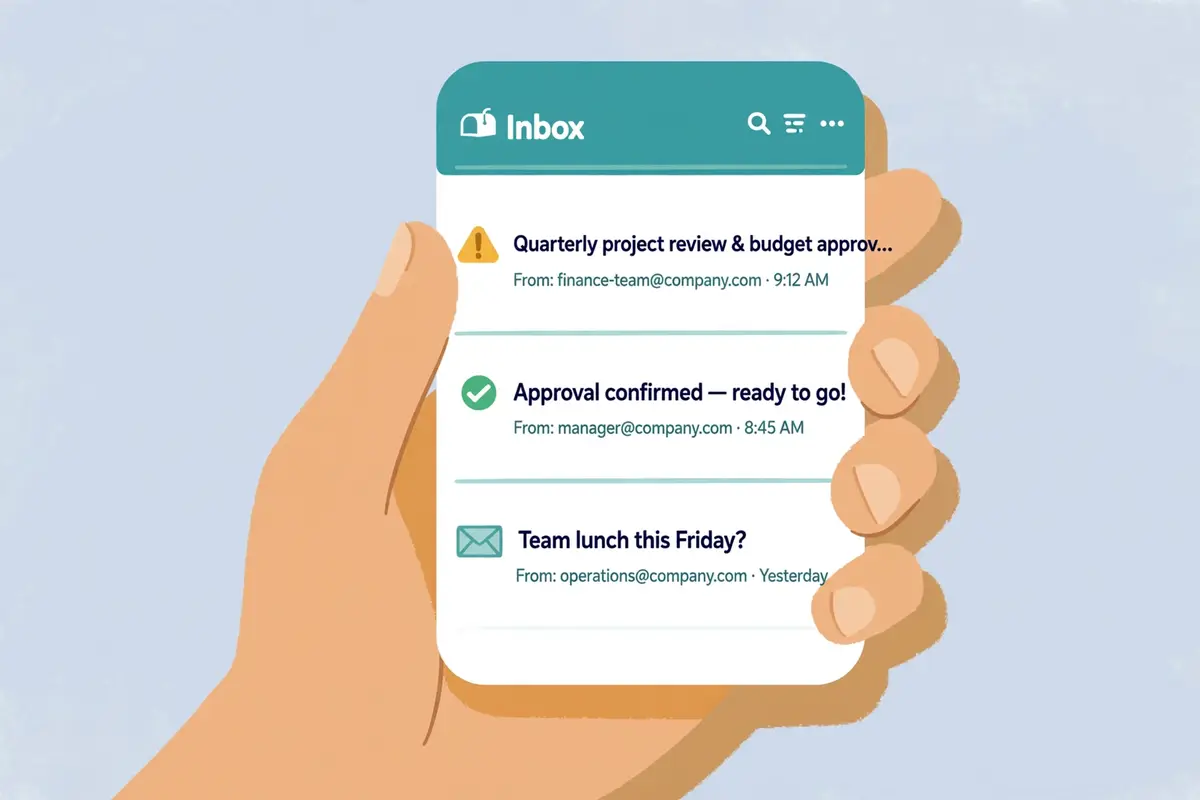
In fact, length is the easiest part of cold email subject lines to get right, because the numbers are simple. For example, the widely reported ranges are about 35 to 40 characters on mobile, and about 60 on desktop. Similarly, most cold email is opened on a phone, so the mobile number is the one that matters. Moreover, these are widely reported ranges, not a study, and different inboxes trim at slightly different points. In short, write for the phone first, and the desktop will take care of itself.
Secondly, the practical rule is to put the important words first. In fact, a subject line that starts with the key idea survives any truncation. For instance, “Acme onboarding: a 30% faster fix” survives, because the company and the result come first. Similarly, “I wanted to reach out today to discuss a way that might help Acme with onboarding” dies on a phone, because the point arrives after the cut. As a result, front-load every line, and read it back at 40 characters.
Cold email subject lines by device: what the reader actually sees
| Device | Characters usually visible | What to do |
|---|---|---|
| Mobile phone | About 35 to 40 | Put the key words first; aim for under 40 characters |
| Desktop inbox | About 60 | Up to 60 is safe, but shorter still reads better |
| Tablet | About 45 to 50 | Write for mobile and the tablet follows |
| Preview pane | Varies widely | Pair the line with a strong first sentence |
The ranges above are the widely reported figures, labelled as such, not a single study. Inboxes trim at slightly different points, so front-load the key words. Last checked: 16 November 2026.
The 40-character test
A simple test catches most length problems before you send. Firstly, write the subject line, then count to 40 characters and draw a line. For instance, if the line still makes sense at the cut, it passes. Similarly, if the cut leaves a sentence that ends mid-thought, rewrite it shorter. In sum, the test takes five seconds, and it saves the open.
In addition, the test works for every use case in this guide. Above all, follow-up lines, re-engagement lines and breakup lines all face the same phone screen. For example, “Closing your file” passes at 18 characters, while “I wanted to follow up on the email I sent last Tuesday about your hiring” fails at every length. Moreover, the test also exposes filler words: “just”, “quick”, “I wanted to” and “reaching out” can almost always be cut. As a result, run the test on every line, every time.
When a longer line is fine
Longer lines are not always wrong. Firstly, a line of 50 to 60 characters can work on desktop, where the full line is visible. For instance, a line that names a company, a role and a result needs room: “Your Leeds sales team: 3 hires in 30 days” is 41 characters and earns its length. Secondly, a line for a warm prospect can run longer, because the reader already knows you. In short, length is a guideline, not a law, and a specific 55-character line beats a vague 20-character one.
Secondly, the danger is not length itself, but length without a point. In fact, a long line that buries its idea is the problem, not a long line that leads with it. For example, “A faster way to onboard new hires at Acme” is 44 characters, and every word earns its place. Similarly, a short line that says nothing, such as “Hello” or “Touching base”, fails at any length. As a result, judge a line by its first 40 characters, not its total.
Personalisation that works, and where it backfires
In fact, personalisation is the most powerful tool in cold email subject lines, and the most misused. For example, a line that proves you know the prospect earns the open, because it could not have been sent to anyone else. Similarly, a line that pastes a first name into a generic template earns nothing, because the reader has seen it a hundred times. Moreover, the difference is the detail: a real fact about the prospect beats a merge tag every time. In short, personalise the idea, not the greeting.
Secondly, good personalisation starts with research, not software. In fact, one minute on the prospect’s site, LinkedIn page or recent news gives you the detail the line needs. For instance, a new office, a new hire, a product launch, a funding round or a hiring post all work. Similarly, the detail should be recent and specific, because a stale fact feels like a database, not a person. As a result, research first, write second, and send third.
Watch the personalised subject line in action
Video: Her Cold Email Strategy Has a 43% OPEN RATE! by Apollo on YouTube. This video is the creator’s property, embedded via YouTube for education. OutreachCompare is not affiliated with Apollo and does not claim ownership of this video.
In fact, the video above shows the personalisation method in detail. For instance, Sam McKenna explains her “Show Me You Know Me” approach, where the subject line is so specific to the prospect that it would make no sense to anyone else. The video is published by Apollo, and it walks through the subject line, the first sentence and the value proposition as one connected piece. Watch it before you write your next batch, and the personalisation section below will feel concrete. Note that the 43% open rate and 20% reply rate quoted in the video are the presenter’s own results, not a benchmark for every sender.
Cold email subject lines: personalisation that works, and the kind that backfires
| Personalisation | Works when | Backfires when |
|---|---|---|
| Company name | Paired with a real detail about the company | Pasted into a generic line with no detail |
| First name | Used sparingly, in a natural line | Used in every email, like a mail merge |
| Role or team | Names the team’s real problem | Guesses the role wrong, or flatters emptily |
| Recent trigger | A real, recent event: a hire, a launch, a round | A stale or wrong fact, scraped badly |
| Shared connection | A genuine mutual contact or event | A stretched link the prospect does not recognise |
| Competitor mention | A fair, specific comparison | A cheap shot at a rival they like |
The table above is the personalisation guide in one place. Every row is a judgement call, so check the fact before you use it. Last checked: 16 November 2026.
The test that tells you if a line is truly personal
A quick test separates real personalisation from a mail merge. Firstly, ask whether the subject line would make sense to anyone else. For instance, “Quick idea for Acme’s onboarding” could go to any company, while “Your Leeds office: onboarding for 3 new AEs” could only go to one. Similarly, if the line works for a thousand prospects, it is not personal, however many merge tags it carries. In sum, the test is simple: if anyone else could receive it, rewrite it.
In addition, the test protects you from the creepiest mistake in cold email. Above all, never personalise with something the prospect did not share publicly. For example, a detail from their public LinkedIn post is fair game, while a detail from a private profile or a data broker feels invasive. Moreover, the line should make the prospect feel noticed, not watched. As a result, use public, professional facts, and leave the rest alone.
Where personalisation backfires most often
Personalisation backfires when the fact is wrong. Firstly, a wrong company name, a wrong role, or a wrong trigger tells the prospect the email was automated, not researched. For instance, “Congrats on the Manchester office” to a company that never opened one is worse than no personalisation at all. Secondly, a correct fact used badly also backfires: praising a prospect’s “great work” without naming the work reads as flattery. In short, verify every fact, and name the work.
Secondly, over-personalisation backfires too. In fact, a subject line stuffed with the prospect’s name, company, city and role reads like a database query, not an email. For example, “Sarah, Acme, Leeds: your hiring plan” tries too hard, while “Your Leeds hiring plan” says the same thing calmly. Similarly, one strong detail beats four weak ones. As a result, pick the best fact, use it once, and stop.
Curiosity vs clarity: when each one wins
In fact, the oldest argument in cold email subject lines is curiosity against clarity. For example, a curious line teases the reader, while a clear line tells them the point. Similarly, both can earn the open, yet they work in different situations, and picking the wrong one is the most common subject-line mistake. Moreover, the rule is simple: use clarity when the prospect does not know you, and curiosity when they already do. In short, the first email explains, and the follow-up intrigues.
Secondly, clarity wins the first email because trust is zero. In fact, a stranger who teases you feels like a trick, while a stranger who states their point feels like a professional. For instance, “Cut your onboarding time by 30%” tells a cold prospect exactly why the email exists. Similarly, “You won’t believe what we found” tells them nothing, and earns a delete. As a result, lead with clarity on the first touch, every time.
Cold email subject lines: curiosity vs clarity, side by side
| Situation | Curiosity line | Clarity line | Winner |
|---|---|---|---|
| First cold email | You won’t believe this | Cut onboarding time by 30% | Clarity |
| First cold email | A quick question | 3 hires for your Leeds team? | Clarity |
| Follow-up, day 4 | One more thought on this | Following up: onboarding fix | Curiosity |
| Follow-up, day 10 | Did my note land? | Second follow-up on Acme | Curiosity |
| Re-engagement | Still interested? | Re: your trial, 30 days on | Curiosity |
| Breakup email | Should I close your file? | Final email about onboarding | Curiosity |
The table above is the curiosity rule in one place. The example lines are illustrations, not measured results. Last checked: 16 November 2026.
When curiosity works
Curiosity works when the reader already knows who you are. Firstly, a follow-up to a prospect who opened your first email can tease, because the context exists. For instance, “One more thought on this” works on day four, because “this” refers to something real. Similarly, a breakup line such as “Should I close your file?” works because it creates a small, honest tension. In sum, curiosity needs context, and follow-ups supply it.
In addition, curiosity works when the gap is genuine. Above all, a good curious line hints at something real inside the email, not at nothing. For example, “The onboarding gap in your Leeds team” hints at a specific finding, while “You won’t believe this” hints at nothing at all. Moreover, the reader should feel the answer is worth two minutes, not that they are being tricked. As a result, tease the finding, never the fact that you have one.
When clarity must win
Clarity must win whenever the prospect is cold, busy or senior. Firstly, a senior buyer triages fast, and a clear line respects their time. For instance, a VP who sees “3 hires for your Leeds team?” knows the email’s purpose in a second. Secondly, clarity must win in regulated or formal industries, where a teasing line reads as unprofessional. In short, if the reader does not know you, tell them the point.
Secondly, clarity must win when the offer is the news. In fact, a discount, a deadline, a new feature or a concrete result should be named, not hidden. For example, “Free trial, no card required” is a clear line that earns opens because the offer is genuinely good. Similarly, hiding a good offer behind a tease wastes the best reason to open. As a result, when the offer is strong, say so plainly.
The middle path: clear curiosity
The best lines often blend the two. Firstly, a line can be clear about the topic and curious about the detail. For instance, “Your onboarding gap (one number inside)” names the topic and teases the finding. Similarly, “3 hires for Leeds: the shortlist” states the offer and hints at more. In sum, the blend gives the reader a reason to open and a reason to keep reading.
In addition, the blend is the safest default for most campaigns. Above all, it avoids the two classic failures: the vague tease and the dry statement. For example, a line that is only curious risks a delete, while a line that is only clear risks a yawn. Moreover, the blend can be written for any use case in this guide, from agencies to recruiters. As a result, if you are unsure which way to lean, write a clear line with one curious detail.
Spam-trigger words and patterns to avoid
In fact, no single word guarantees the spam folder. For example, the word FREE in a subject line will not doom a good email on its own. Similarly, a clean domain, a verified list and a healthy sending history matter far more than any one word. Moreover, spam filters look at patterns: the words, the punctuation, the formatting and the sender’s history, all together. In short, avoid the patterns below, and the individual words will take care of themselves.
Secondly, the patterns to avoid are the ones that look like mass mail. In fact, all-caps shouting, three exclamation marks, fake urgency and false RE: prefixes all scream “blast” to a filter. For instance, “FREE!!! ACT NOW, LIMITED TIME!!!” trips every pattern at once. Similarly, a quiet, specific, human line trips none of them. As a result, the spam advice in this guide is simple: write like a person, and the filters will treat you like one.
Cold email subject lines: the spam patterns to avoid, with safer swaps
| Pattern to avoid | Why it hurts | Safer swap |
|---|---|---|
| FREE, guaranteed, 100% free | Classic spam vocabulary, overused by scams | Name the actual offer: “Trial, no card” |
| All-caps shouting | Reads as yelling, and as mass mail | Normal sentence case, like a person |
| !!! or ??? or $$ | Excessive punctuation is a filter signal | One mark at most, usually none |
| Fake RE: or Fwd: | Pretends a thread exists; erodes trust | Never fake a thread, ever |
| Act now, urgent, limited time | False urgency, overused by scams | A real date, or no urgency at all |
| Make money fast, double your income | Get-rich language, heavily filtered | A specific, believable result |
| Congratulations, you won | Prize language, a known scam pattern | Never promise a prize you did not give |
The table above lists patterns, not magic words. No single word guarantees the spam folder; it is the pattern, plus your domain and list, that matters. Last checked: 16 November 2026.
Why fake RE: and Fwd: prefixes are the worst idea
Fake reply prefixes deserve their own warning. Firstly, a subject line that starts “RE: your hiring plan” when no thread exists is a lie, and the reader knows it the moment they open the email. For instance, the open you gain is paid for with trust you will never get back. Secondly, the trick is widely known, so filters and readers both recognise it. In short, never fake a thread, a forward, or a prior conversation.
In addition, the fake prefix hurts deliverability over time. Above all, readers who feel tricked mark the email as spam, and spam complaints damage your domain far more than any single word. For example, one campaign of fake RE: lines can raise complaints enough to hurt the next ten campaigns. Moreover, the sender’s reputation is the real asset, and a trick spends it fast. As a result, honesty is not just polite: it protects the domain.
The quiet spam signals most senders miss
Beyond the obvious words, quieter signals matter too. Firstly, a subject line that is all numbers, or all symbols, looks automated. For instance, “50% OFF!!! 24 HOURS ONLY!!!” is a pattern, not a message. Secondly, a line that repeats the same words across a whole campaign looks like a blast, so vary your lines. In sum, the filter reads the campaign, not just the line, so keep the whole campaign human.
Secondly, the quietest signal is a mismatch. In fact, a subject line that promises one thing while the body delivers another will earn spam complaints, even if the words are clean. For example, a line that promises a free report should lead to a free report, not a sales call. Similarly, a line that names a person should lead to an email about that person. As a result, check every line against its own body before you send.
40+ subject lines by use case, with why each one works
In fact, the examples below are starting points, not scripts to copy blindly. For example, each one follows the seven principles, and each one carries a short note on why it works. Similarly, adapt the names, numbers and details to your own prospect before you send, because a copied line is a generic line. Moreover, no open-rate statistics are claimed for any of these lines: they are examples, presented as examples, not as measured results. In short, steal the structure, and write your own words.
Secondly, the examples are grouped by use case, so you can jump to your own. In fact, agencies, SaaS teams, recruiters, follow-ups, re-engagement and breakup emails each get their own group. For instance, an agency line names the client’s pipeline, while a recruiter line names the role. Similarly, a follow-up line leans on context, while a breakup line leans on honesty. As a result, find your group, pick three lines, and adapt them today.
Cold email subject lines for agencies
Agency subject lines work when they name the client’s outcome, not the agency’s service. Firstly, a prospect hires an agency for meetings and pipeline, so the line should promise that. For instance, a line about the client’s pipeline beats a line about the agency’s process. Similarly, naming the prospect’s company proves the email is for them. In short, sell the result, not the retainer.
- Quick idea for [Company]’s pipeline, short, specific and clearly about their outcome.
- Your [City] competitors are booking 12 meetings a week, a concrete number, plus healthy competition.
- 3 leads for [Company] this week?, a question, a number, and their company name.
- Saw [Company] hired a new sales lead, a real trigger, proving the email is researched.
- The [Industry] playbook we used for [Client], social proof, without naming a price.
- Idea: 5 meetings a month for [Company], a clear promise, stated as an idea, not a pitch.
- Not another agency pitch, honest, self-aware, and short enough to survive mobile.
Cold email subject lines for SaaS
SaaS subject lines work when they name the pain the product removes. Firstly, a SaaS buyer cares about time, cost and risk, so the line should name one of them. For instance, a line about a quiet trial names a real problem the buyer already feels. Similarly, a line about a competitor switch works when the comparison is fair. In short, name the pain, not the feature.
- Your trial users are going quiet, names a pain the buyer already feels.
- Cut [pain] by 40%?, a specific result, phrased as a question.
- The [Competitor] switch most teams make, curiosity with a clear topic, not a tease.
- [First name], your [Product] setup in 10 minutes, a concrete promise with a time limit.
- 3 minutes to fix your [pain], small effort, clear reward, very short.
- Your team is paying for 12 tools that do one job, a specific, slightly uncomfortable truth.
- The onboarding gap in [Product], clear curiosity: a named topic, a hinted finding.
Cold email subject lines for recruiters
Recruiter subject lines work when they name the role and the person, not the vacancy. Firstly, a hiring manager is drowning in CVs, so a line that promises one good candidate stands out. For instance, a line that names the role and the industry proves the candidate is real. Similarly, a shortlist beats a pile, so say so. In short, promise a person, not a process.
- A [Role] who already knows [Industry], a person, a role, and relevant experience.
- Your next [Role] is open to a chat, warm, specific, and low pressure.
- Met a [Role] you’d want to meet, a human introduction, not a database query.
- Quick intro: [Role], 6 years in [Industry], the facts up front, no fluff.
- The hire that fixes your [pain], the outcome, named in eight words.
- [First name], a [Role] shortlist for [Company], personal, specific, and clearly for them.
- One candidate, not a pile of CVs, a promise of quality over quantity.
Cold email subject lines for follow-ups
Follow-up subject lines work when they lean on the context that already exists. Firstly, the prospect has seen your name before, so the line can be shorter and more curious. For instance, a gentle nudge beats a repeated pitch, because the pitch already happened. Similarly, a question beats a statement, because it invites a reply. In short, nudge, do not repeat.
- Just floating this up, [First name], gentle, human, and clearly a follow-up.
- Did my last note land?, a short question that invites a yes or a no.
- Still a good time to talk?, low pressure, and easy to answer.
- One more thought on [topic], curiosity with context, so it earns the open.
- Closing the loop on this, honest about the stage, with no fake urgency.
- Quick check-in, no pressure, the low-pressure promise, stated plainly.
- Should I close your file?, the breakup question, used early and gently.
Cold email subject lines for re-engagement
Re-engagement subject lines work when they acknowledge the silence honestly. Firstly, a prospect who went quiet does not need a louder pitch. For instance, a line that names the gap, and offers a fresh start, respects their time. Similarly, a question about whether the problem still matters invites an honest answer. In short, reopen the door, do not bang on it.
- Still interested in [outcome]?, a direct question about the result, not the product.
- We miss you (and your results), warm, honest, and slightly playful.
- Your [Product] account is gathering dust, a specific fact, stated with humour.
- A fresh start for [Company], a clean slate, offered without pressure.
- Is [pain] still on your list?, a question that respects how priorities change.
- One last idea before I go quiet, honest about the ending, and curious about the idea.
Cold email subject lines for breakup emails
Breakup subject lines work when they are honest about the ending. Firstly, a breakup email tells the prospect you will stop emailing, and that honesty often earns the reply the earlier emails did not. For instance, a clear ending removes the pressure, which makes replying easier. Similarly, a breakup line should never guilt the reader. In short, close the door politely, and some prospects will open it.
- Closing your file, 18 characters, honest, and impossible to miss on mobile.
- Should I stop emailing?, a question that gives the reader control.
- Last note from me, clear, calm, and free of guilt.
- Permission to close this?, polite, and easy to answer with one word.
- I’ll take the hint, self-aware, human, and slightly funny.
- Goodbye (for now), [First name], warm, personal, and leaves the door open.
In fact, that is 40 subject lines, across six use cases, and the pattern should be clear by now. For example, the best lines are short, specific and honest, whatever the use case. Similarly, the worst lines in any group are the ones that could have been sent to anyone. As a result, use these as templates, change the details, and run the 40-character test before you send.
How to A/B test subject lines properly

In fact, testing cold email subject lines properly means changing one thing at a time, and sending enough volume to trust the result. For example, test two subject lines with the same body, the same list and the same send time. Similarly, changing the subject line and the body together tells you nothing, because you cannot tell which change worked. Moreover, the winner is decided by replies, not opens, for reasons the deliverability section explains. In short, one variable, enough volume, and the right metric.
Secondly, the volume question is where most senders go wrong. In fact, a small list cannot prove a small difference, however clean the test. For instance, 200 emails per variant sounds like a lot, yet at a 3% reply baseline it can only prove a jump to about 9.8%. Similarly, a jump from 3% to 4% needs about 2,500 emails per variant. As a result, small senders should test big differences, and big senders should test small ones.
Cold email subject lines: the sample sizes a real test needs
| Reply rate change | Emails needed per variant | What it means |
|---|---|---|
| 1% to 2% | About 2,300 | Doubling a low rate still needs thousands |
| 2% to 3% | About 3,800 | A one-point gain needs the biggest sample |
| 3% to 4.5% | About 2,500 | A 50% lift on a typical baseline |
| 5% to 10% | About 430 | Big jumps need far fewer emails |
| 3% baseline, 200 per variant | Only a jump to about 9.8% is detectable | Small lists can only prove huge wins |
The figures above were re-computed on 16 November 2026 with the standard two-proportion formula, at 80% power and 95% confidence. Our A/B testing guide (post 569) quoted about 7.8% for the 200-email case; the corrected figure is about 9.8%. Last checked: 16 November 2026.
The four rules of a fair subject line test
Four rules keep a test honest. Firstly, test one variable only: the subject line changes, and everything else stays the same. For instance, the same body, the same list segment, and the same send time. Secondly, split the list randomly, so each variant gets a fair mix of prospects. Thirdly, run both variants at the same time, because a Monday list and a Friday list are different audiences. In short, one change, a random split, and the same moment.
In addition, the fourth rule is patience. Above all, wait for the full result before calling a winner, because early leads often flip. For example, a variant that leads after 50 emails can lose after 500, especially when the sample is small. Moreover, most sending tools will call a winner too early if you let them, so decide the sample size before you start, and stick to it. As a result, a slow, honest test beats a fast, wrong one.
Watch the eight best practices in one video
Video: 8 Email Subject Line Best Practices for Massive Open Rates in 2026 by MaxiJournal on YouTube. This video is the creator’s property, embedded via YouTube for education. OutreachCompare is not affiliated with MaxiJournal and does not claim ownership of this video.
In fact, the video above covers the whole testing loop in about eleven minutes. For instance, MaxiJournal walks through personalisation, curiosity gaps, numbers and specificity, power words, mobile length, urgency, spam-trigger words, and A/B testing as the final practice. Watch it after the sample-size table, and the numbers above will feel practical rather than abstract. Note that the video is about email marketing generally, so its open-rate advice applies to cold email with the same caution about Apple Mail Privacy Protection that this guide explains below.
What to test first, second and third
Test in order of impact, not in order of fun. Firstly, test clarity against curiosity, because that is the biggest fork in the road. For instance, send half your list a clear line and half a curious one, and see which earns more replies. Secondly, test length: a short line against a longer one, with the same idea in both. Thirdly, test personalisation: a line with a real detail against a line without one. In sum, test the big choices first, and the small tweaks last.
Secondly, keep a simple log of every test. In fact, a notebook with the date, the two lines, the volume and the result is worth more than any dashboard. For example, a log shows you which ideas keep winning, and which ones only won once. Similarly, a log stops you from re-testing an idea that already lost. As a result, the log becomes your own subject-line playbook, written from your own audience, not from a blog.
Subject lines and deliverability: opens are not the goal
In fact, cold email subject lines affect deliverability, yet not in the way most senders think. For example, a spammy subject line can push a borderline email into the spam folder, especially on a new domain. Similarly, a clean subject line cannot rescue a bad list, a burned domain, or a broken authentication setup. Moreover, deliverability is mostly decided by the domain, the list and the sending pattern, with the subject line as a smaller factor. In short, write clean lines, and fix the big things first.
Secondly, the biggest trap is optimising for opens. In fact, open rates are unreliable since Apple Mail Privacy Protection, which opens mail on behalf of users and inflates the numbers. For instance, the Instantly 2026 benchmark reports opens of about 21%, yet warns that the figure is unreliable under Apple’s privacy protection. Similarly, an average reply rate of about 3.4%, with positive replies at 1% to 3%, is the honest benchmark to judge against. As a result, judge a subject line by replies and meetings, never by opens alone.
Cold email subject lines: the numbers that actually matter
| Metric | What good looks like | What it means |
|---|---|---|
| Reply rate | About 3.4% on average | The honest benchmark, per Instantly’s 2026 report |
| Positive reply rate | 1% to 3% | People who actually want to talk |
| Open rate | About 21%, but unreliable | Inflated by Apple Mail Privacy Protection |
| Bounce rate | Under 2% | Higher means the list is stale |
| Spam rate | Aim under 0.1%, never 0.3% | Any spike means pause and investigate |
| First-email replies | 58% of all replies | The first email does most of the work |
The benchmarks above come from Instantly’s 2026 report, as cited in our guides: average reply about 3.4%, positive reply 1% to 3%, 58% of replies from the first email, opens about 21% but unreliable under Apple Mail Privacy Protection. Bounce and spam targets follow our deliverability guides. Last checked: 16 November 2026.
Why opens lie, and replies do not
Opens lie because Apple Mail opens mail automatically. Firstly, Apple Mail Privacy Protection loads email images on Apple’s servers, which registers as an open even when the human never looked. For instance, a campaign can show a 60% open rate while almost nobody read it. Secondly, replies cannot be faked this way: a reply means a person read the email and chose to answer. In short, an open is a signal, while a reply is a fact.
In addition, chasing opens can actively hurt your results. Above all, a clickbait subject line will lift opens and cut replies, because the readers who open feel tricked. For example, a campaign that celebrates a 50% open rate with a 0.2% reply rate has failed, however good the chart looks. Moreover, a subject line that earns a modest open rate with a strong reply rate has succeeded, because replies are the business. As a result, report replies to your client, and keep opens in the background.
The sending habits that protect your subject lines
Subject lines work best on healthy infrastructure. Firstly, send 25 to 30 emails a day per mailbox, with 40 as the maximum, so each inbox looks human. For instance, a mailbox that sends 200 emails on day one will be flagged, however good the subject line. Secondly, warm every new mailbox for at least two weeks before real volume. In sum, the line earns the open, and the setup earns the inbox.
Secondly, keep the list clean, because a stale list hurts every metric. In fact, a list full of dead addresses will bounce, and bounces damage the domain that carries your subject lines. For example, verify every list before sending, using the routine in our How to Clean a Cold Email List 2026 guide. Similarly, suppress opt-outs, customers and partners, so no subject line ever reaches the wrong person. As a result, clean lists and calm sending make good subject lines work harder.
Which tools help you test subject lines
In fact, the five tools below all include A/B testing for cold email subject lines, so you can run the tests this guide describes without extra software. For example, Instantly calls its feature A/Z testing, while the others call it A/B testing, yet the idea is the same: send two variants, measure the result, and keep the winner. Similarly, the differences are in plan gating and price, which the tables below set out. Moreover, every price was checked on 16 November 2026. In short, pick the tool you already use, and test inside it.
Cold email subject lines: testing tools at a glance, part one
| Tool | A/B testing | Entry price |
|---|---|---|
| Instantly See Instantly → | A/Z testing included on Growth; full 26-variant A/Z on Hypergrowth | Growth $47/mo ($37.60 annual) |
| Smartlead Visit Smartlead → | A/B testing included; which plans include it is disputed, check the site | Base $39/mo ($32.50 annual) |
| Lemlist Check Lemlist → | A/B testing included, with spintax variants | Email $69/mo ($55 annual) |
Smartlead’s A/B testing plan gating is disputed between third-party comparisons: some say all plans include it, others say it starts at Unlimited Smart ($174 a month). We flag the dispute rather than inventing an answer, so please check Smartlead’s site. Last checked: 16 November 2026.
Cold email subject lines: testing tools at a glance, part two
| Tool | A/B testing | Entry price |
|---|---|---|
| Reply.io Visit Reply.io → | A/B testing included, with multichannel sequences | Email Volume from $59/mo |
| Klenty See Klenty → | A/B testing included, with sales engagement reports | Starter $50/mo annual; Growth $70/user/mo |
Instantly’s Hypergrowth plan is $107 a month, or $85.58 on annual billing, with 125,000 emails. Reply.io’s annual figures of $49 and $89 were visible on 15 November but not in the page fetched on 16 November, so confirm them on Reply.io’s site. Features and pricing can change, so please check the provider’s site before you buy. Last checked: 16 November 2026.
What to check before you buy a testing tool
Three checks matter more than the feature list. Firstly, check which plan includes A/B testing, because the entry plan is not always the testing plan. For instance, Smartlead’s gating is disputed, as the note above says, so confirm it on the site before you buy. Secondly, check how many variants you can test at once: Instantly offers up to 26 variants on Hypergrowth, which suits big senders, while a small sender needs only two. Thirdly, check whether the tool reports replies per variant, not just opens, because opens alone will mislead you. In sum, buy the reporting, not the feature name.
In addition, check the tool’s own guidance on testing. Above all, Instantly publishes a subject-line A/B testing guide that walks through hypotheses, variants and weekly iteration, and it is worth reading alongside this article. For example, its guide stresses measuring on replies, meetings and pipeline, not just the open spike, which matches this guide exactly. Moreover, our A/B Testing for Cold Email 2026 guide covers the full method, from sample sizes to reading results. As a result, the tool, the guide and the method work together.
The honest pros and cons of each approach
In fact, no single approach to cold email subject lines wins everywhere. For example, clarity wins the first email, curiosity wins the follow-up, and personalisation wins when the detail is real. Similarly, each approach has a cost, and the honest picture is that the best senders mix them, rather than marrying one. Moreover, this section puts both sides on the table, so you can choose with open eyes. In short, know the trade-off, then pick.
Cold email subject lines: the pros of each approach
The pros start with clarity, and clarity is the safest bet. Firstly, a clear line earns trust, because it tells the reader what the email contains. For instance, a clear line also makes testing easy, because the idea is easy to change and measure. Secondly, personalisation adds power: a real detail proves the email is for one person, and that proof earns opens that generic lines cannot. Thirdly, curiosity adds lift in follow-ups, where context already exists and a short tease can restart a stalled conversation. Finally, a low-pressure tone earns replies from busy people, because it respects their time.
In addition, the pros include speed. Above all, a subject line is the cheapest part of a campaign to test: one variable, two variants, and a result in days. For example, a sender who tests weekly will learn their audience faster than a sender who guesses monthly. Moreover, the lessons compound, because each test teaches you something about your niche. As a result, the approach that tests wins over time, whatever its starting style.
The cons, stated plainly
The cons start with the same strengths, used badly. Firstly, clarity can bore, because a dry line can be accurate and still ignored. For instance, “Services for your business” is clear, yet it says nothing worth opening. Secondly, curiosity can trick, and a trick earns an open and loses a reader. Thirdly, personalisation can backfire when the fact is wrong, stale or creepy, and a wrong fact is worse than no fact. Finally, testing can mislead when the sample is too small, because a win on 200 emails may be luck, not learning.
Secondly, the cons include a subtler cost: the time. In fact, researching every prospect, writing ten lines per campaign, and testing properly all take time that a busy sender may not have. For example, a solo founder sending 50 emails a week cannot research each one deeply, so they must choose: fewer, better-researched emails, or more, simpler ones. Similarly, the right answer depends on the list size, and this guide’s decision section sorts it out. In sum, the approaches are honest, and so are their costs.
Pick the right approach for your campaign
In fact, the right approach to cold email subject lines depends on your campaign, not on a universal rule. For example, a cold first email needs clarity, a follow-up can use curiosity, and a recruiter needs a name and a role. Similarly, a small list needs big, testable differences, while a large list can test fine details. Moreover, the framework below sorts campaigns by situation, and each row names the approach that fits. In short, find your row, and start there.
Cold email subject lines: pick this approach when
| Pick this approach when | Approach | Why it fits |
|---|---|---|
| The prospect does not know you | Clear and specific | Trust is zero, so state the point plainly |
| You are following up | Short and curious | Context exists, so a tease can work |
| You have a real detail | Personalised | One true fact proves the email is for them |
| Your list is small | Test big differences | Only huge wins are detectable at low volume |
| Your list is large | Test fine details | Thousands of emails can prove small gains |
| The offer is the news | Name the offer | A strong offer should be stated, not hidden |
| You are writing a breakup | Honest and low pressure | A polite ending often earns the reply |
The table above is the decision framework for this guide. Every benchmark in it comes from the sources cited in the deliverability and testing sections. Last checked: 16 November 2026.
The approach to avoid for each campaign
Each campaign also has an approach to avoid, and naming it saves a bad send. Firstly, a cold first email should avoid curiosity, because a stranger who teases feels like a trick. For instance, “You won’t believe this” to a cold prospect is a delete, not an open. Secondly, a follow-up should avoid repeating the first line, because the prospect already ignored it once. Thirdly, a small list should avoid testing tiny differences, because the result will be noise. Finally, any campaign should avoid fake RE: prefixes, all-caps shouting, and false urgency, because they cost trust and deliverability at once.
In addition, every sender should avoid writing subject lines last. Above all, the subject line is often written in a rush, after the body, when the energy is gone. For example, the better habit is to write the subject line first, because it forces you to choose the one idea the email is about. Moreover, a body written to match a strong subject line is usually stronger itself. As a result, write the line first, the body second, and the test third.
A simple weekly routine for better subject lines
A short weekly routine turns the framework into a habit. Firstly, Monday is for writing: draft ten subject lines for the week’s campaign, score each against the seven principles, and keep the best two. Secondly, Tuesday is for testing: split the list, send both variants, and record the plan in your log. For instance, Wednesday to Friday is for watching replies, not opens, and for handling every reply fast. Thirdly, the next Monday is for review: pick the winner, note what worked, and write the next ten lines with that lesson in mind.
Moreover, the routine needs only an hour a week. In fact, ten lines take twenty minutes, the test takes ten, and the review takes thirty. For example, a sender who follows the routine for a month will have tested eight lines and learned four lessons about their audience. Similarly, a sender who skips the routine will still be guessing in a year. As a result, the routine is the cheapest improvement in this whole guide.
Frequently asked questions
What is the best length for cold email subject lines?
Aim for under 40 characters, because most cold email is opened on a phone, and a phone shows about 35 to 40 characters. Firstly, put the key words first, so the line survives truncation. Secondly, treat 50 characters as the ceiling, and 60 as the desktop limit. In short, short wins, yet a specific 55-character line beats a vague 20-character one.
Do personalised subject lines really get more opens?
Yes, when the personalisation is real. Firstly, a line with a true detail about the prospect proves the email was written for them, and that proof earns opens. Secondly, a line that only pastes a first name into a generic template earns nothing, because readers have seen it a hundred times. In short, personalise the idea, not just the greeting, and verify every fact.
Should cold email subject lines be curious or clear?
Clear for the first email, curious for the follow-up. Firstly, a cold prospect does not know you, so a clear line earns trust by stating the point. Secondly, a follow-up can tease, because the context already exists. In short, the first email explains, and the follow-up intrigues, and the blend of the two is the safest default.
Which words should I avoid in cold email subject lines?
Avoid the patterns, not just the words: FREE, guaranteed, all-caps shouting, three exclamation marks, fake RE: and Fwd: prefixes, false urgency, and get-rich language. Firstly, no single word guarantees the spam folder; it is the pattern, plus your domain and list, that matters. Secondly, the safest rule is to write like a person, because filters treat human lines like human mail.
How many emails do I need to A/B test a subject line?
It depends on the size of the change you want to prove. Firstly, a jump from 3% to 4.5% in replies needs about 2,500 emails per variant, at 80% power and 95% confidence. Secondly, a jump from 5% to 10% needs only about 430 per variant, because big wins are easier to prove. In short, small lists should test big differences, and the full table is in the testing section above.
Why are my open rates high but my replies low?
Two reasons, usually at once. Firstly, open rates are inflated by Apple Mail Privacy Protection, which opens mail automatically, so the number is unreliable. Secondly, a clickbait subject line earns opens and loses readers, because the body cannot match the promise. In short, judge a subject line by replies and meetings, never by opens alone.
The verdict
Our verdict on cold email subject lines
Best default: clear and specific. A short, specific, honest line earns the open and sets up a body that can deliver. Best for follow-ups: short and curious. Once the prospect knows you, a tease can restart the conversation. Best for opens that turn into replies: personalised with a real detail. One true fact beats a dozen merge tags. Best habit: test one change at a time, and judge the winner on replies. At a 3% baseline, 200 emails per variant can only prove a jump to about 9.8%, so test big differences on small lists. Avoid fake RE: prefixes, all-caps shouting and false urgency, because they cost trust and deliverability at once.
We have not tested these tools hands-on, so the tool rows in this guide are based on the vendors’ documented features and list prices checked on 16 November 2026, not on a trial. The honest advice is to write ten lines, score them against the seven principles, front-load the key words, run the 40-character test, and test the best two properly. Cold email subject lines are the smallest part of your campaign, and they carry the most weight. Write them like a person, test them like a scientist, and the opens, and the replies, will follow.
Keep reading
- How to Write Cold Emails That Get Replies 2026, the body that turns an open into a reply.
- A/B Testing for Cold Email 2026, the full testing method, from sample sizes to reading results.
- Cold Email Follow-Up Sequences 2026, where curious subject lines do their best work.
- Cold Email Sequencing Guide 2026, the campaigns your subject lines open.
- How to Handle Cold Email Replies 2026, what to do once the subject line has earned a reply.
- Inbox Placement Guide 2026, the inbox rules your subject lines must respect.
- Deliverability Guide 2026, bounce, spam and sending limits, in full.
- Cold Email for Agencies 2026, running subject lines across many clients, safely.
- CRM Sync for Cold Email 2026, connecting replies and meetings to your CRM.
- How to Clean a Cold Email List 2026, the clean list your subject lines deserve.